








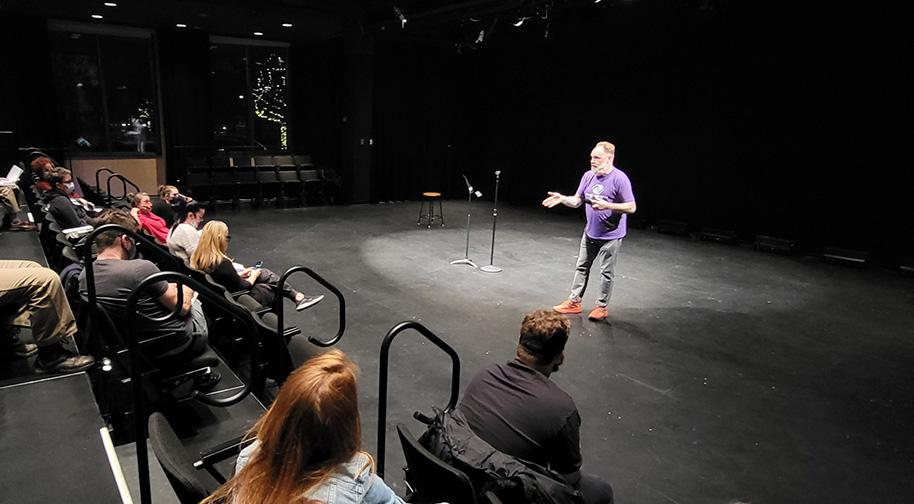
Getting people to laugh is a serious job. Many people think that being funny is something that you are born with, but the professional comedy business has known for a long time that being funny on stage takes practice, the right tools, and knowledge of how things work. Enrolling in stand-up comedy courses has become a crucial first step for people who want to go from being the “funny person” at work to a performer.
These classes give budding comic artists a safe place to try new things and fail, so they can keep trying until they find their own style with the help of experienced teachers. The choice to pay for stand up comedy courses ultimately demonstrates dedication to the art form. It means you’re ready to move on from telling stories for fun to giving a professional show.
Students get ahead by learning about the structure of a joke and how people think and feel. The best stand up comedy courses are discussed in the following guide, along with what they offer, why they’re important, and how they can help you start a real comedy job.
Table of Contents
What Stand-Up Comedy Is All About
At its core, stand-up comedy is the art of telling the truth while making people laugh. In this art form, the artist is also the writer, director, and actress all at the same time. Stand-up is a one-person show, unlike sketch comedy or improv, which depend on how well the group works together. It means looking at the world, finding silly things in it, and expressing those thoughts through a certain character or “voice.”
Students who take stand up comedy courses learn that comedy isn’t just about the punchline, but also about the “set-up” and the “tension-release cycle.” It is the job of the comic to connect their story with the truth of the audience. Being vulnerable is important because the funniest people are often the ones who can use their own fears and mistakes to make jokes that everyone can relate to.
The battle for stage time is tougher than ever in today’s showbiz world. As digital platforms like TikTok and YouTube have made it easier for anyone to make content, the level of technical skill needed for a live set has gone up. Stand up comedy courses are more than just ways to write jokes.
They also provide a group of peers and a structured setting where the “muscle” of performing can be built. There are strong systems in place to teach comedy in New York, Los Angeles, and Chicago. These systems are meant to take a rough idea and turn it into a tight, 5-minute set that can hold a room’s attention.
Choosing the right stand up comedy courses can mean the difference between a stressful experience at an open mic and a confident first performance. A graduation presentation is often the last part of these programs. It gives students their first “real” credit and professional-quality video footage of their performance. This first part is very important because it helps comedians understand the basics of humor, like timing, “the rule of three,” and how to use a microphone, long before they have to perform in front of a loud crowd on the weekend.
Why Do People Need to Study Stand Up Comedy Courses?
You might wonder, “Why should I take a class when I can just go to an open mic?” The answer comes in how well it works and how solid it is. You can skip the “bombing” part by taking stand up comedy courses. Funny people will fail on stage at some point, but a school will teach you why a joke didn’t work. It teaches comic terms like “callbacks,” “tags,” and “topping the punchline” that would be hard to learn by trial and error alone for years.
Also, learning comedy helps you get the tough skin you need to work in the business. The teachers in a school will give you helpful feedback because they have “been there.” This coaching is very helpful for improving a set and making sure that your first public performance goes well instead of poorly.
Related Posts: 20 Best websites that pay you to write
The Requirements and Certification of Stand Up Comedy Courses
The lack of conventional boundaries is one thing that makes the comedy world stand out. To be a comedian, you don’t have to have a degree or a government certificate. Many of the best stand up comedy courses, on the other hand, give you a certificate when you finish, which can help you get into certain workshops or events.
The main “requirement” is that you want to write and have some social guts. Students are typically required to bring 5–10 pages of uncensored notes to the first class in stand up comedy courses. Some higher levels may require a tryout or the finishing of a beginning course called “Level 1” to make sure the student knows the basics of how to be on stage and how to organize a joke.
How to Select the Best Stand-up Comedy Courses?
For rookies trying to improve their talents, selecting the best stand-up comedy courses might be difficult. To assist you, here are some important steps you can consider when selecting the ideal comedy class:
- Identify Your Style: Determine if you prefer stand-up, improv, sketch, or another type of comedy.
- Verify Instructor Qualifications: Look for qualified instructors with a learning style that is appropriate for you. You can read reviews and, if feasible, watch their performances.
- Examine Class Structure: Ensure that the class includes both theoretical learning and hands-on activities. Concentrate more on the practical aspects.
- Consider Peer Interaction: Select stand up comedy courses that promote feedback and interaction, both of which are necessary for comedy development.
- Look for performing Opportunities: Concentrate on stand up comedy courses that offer real-world performing opportunities, such as open mics or course showcases.
- Cehck for Versatility and Accessibility: Ensure that the class schedule, location, and price meet your requirements. Online choices might provide more freedom.
- Understand the Curriculum: Make sure the educational structure focuses on the skills you wish to develop, whether they are writing, performing, or both.
- Networking Opportunities: Stand up comedy courses that offer networking prospects inside the comedy profession can be quite beneficial.
- Trial Classes: If possible, attend a trial class to determine if the method of instruction and class setting are suitable for you.
- Post-Class assistance: Determine if the class provides ongoing assistance, such as advanced classes or alumni networks, which can be useful as you grow in your comedic career.
Career Prospects and Starting Off Your Career
In 2026, comedians have a surprisingly wide range of job options. Comedians today have jobs other than making Netflix specials. They write comedy for late-night TV, make content for brands, and talk at business events. It is expected that as the “creator economy” grows, so will the need for new comic voices.
To get started, it’s best to check out a few open mics to get a feel for the scene before signing up for one of the reliable stand up comedy courses below. An organized beginning keeps you from picking up “bad habits” right away, like relying too much on shock value or not connecting with the audience.
Best Stand Up Comedy Courses to Take
1. American Comedy Institute (ACI):
ACI, which was established by Stephen Rosenfield, is widely regarded as the pinnacle of stand up comedy courses worldwide. The “Stand-Up Comedy Workshop” that they provide is a comprehensive curriculum that focuses on writing, performing, and the business of comedy. The performance at the Gotham Comedy Club, which is known all over the world, is the highlight of the event.
2. The Second City:
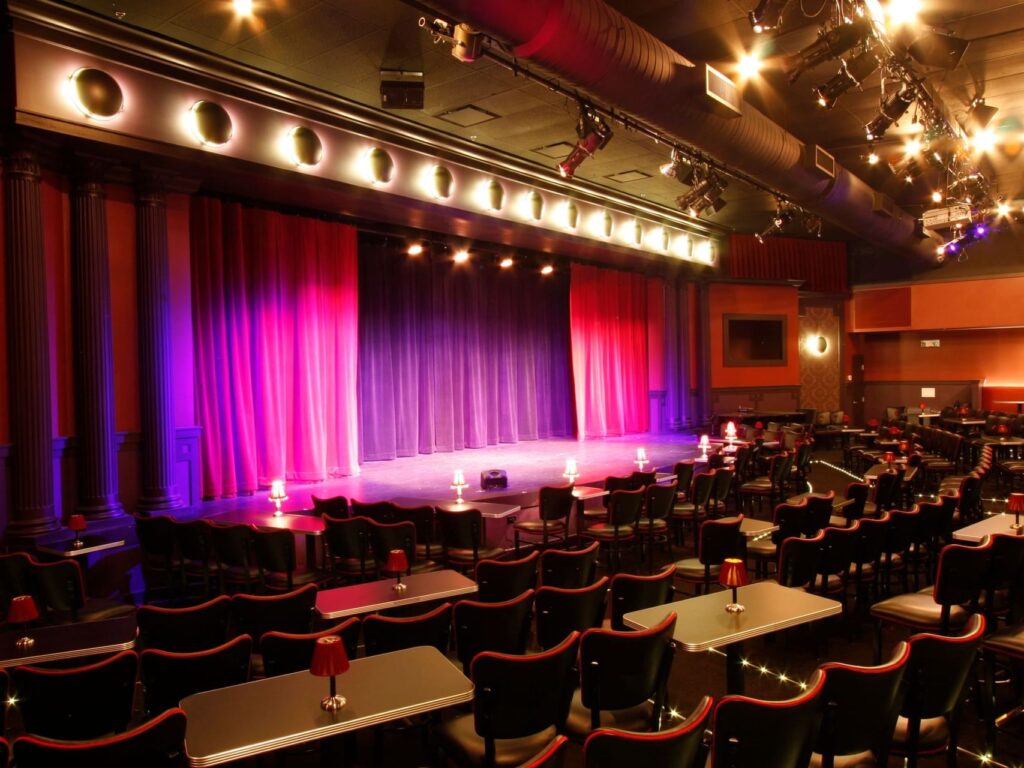
The stand-up comedy program at Second City is widely regarded as among the best in the world. It places an emphasis on the utilization of improvisational methods in order to develop material. Students who want to learn how to “riff” and engage with an audience in a genuine manner will find this to be one of the greatest stand up comedy courses available.
Related Posts: Free Laptop For College Students From Government
3. Manhattan Comedy School:
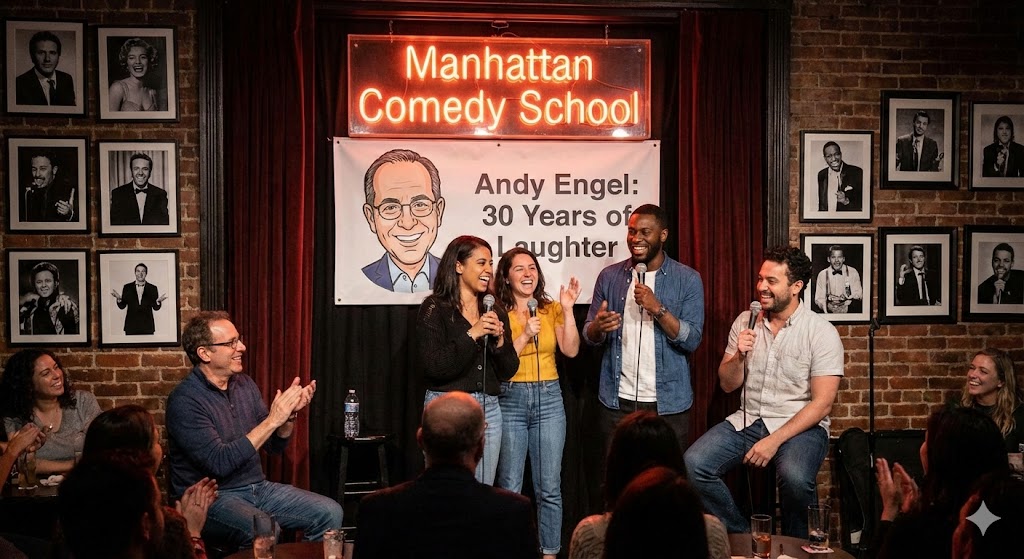
This is the right institution for you if you want to play on a stage that is known for its legendary status. They have a partnership with the Gotham Comedy Club as well as the Comedy Cellar. Their teachers are all headliner comics who have hundreds of hours of stage time, which provides them with a “real world” perspective on the profession.
4. The Groundlings:
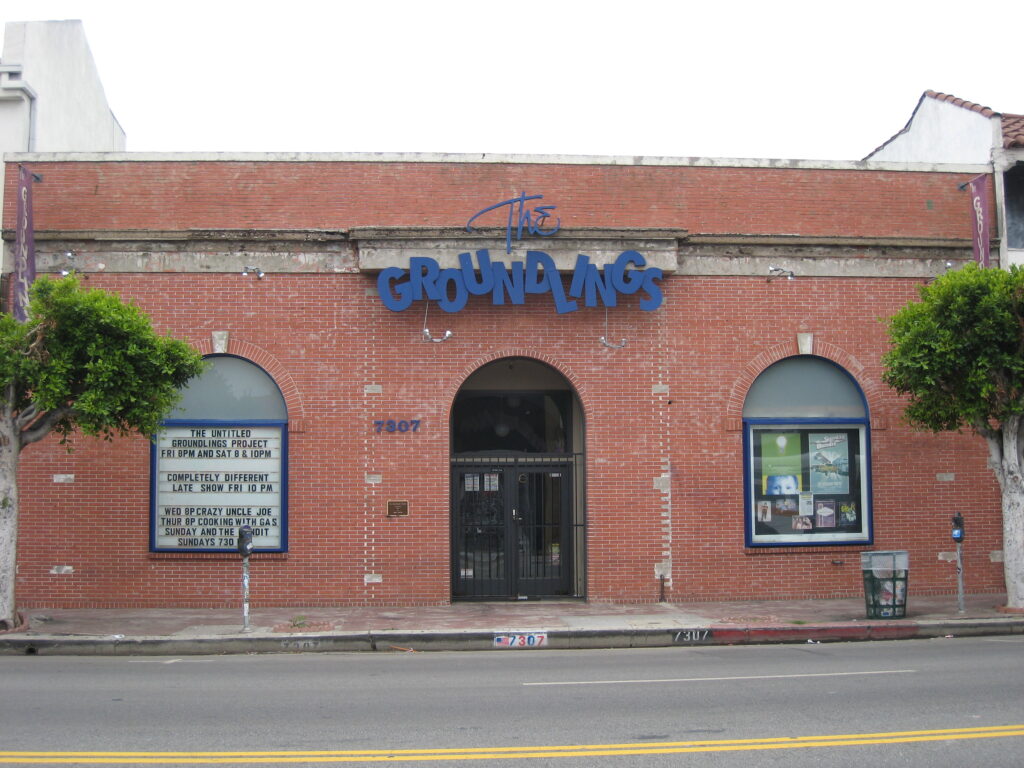
The Groundlings is the place to go for those individuals who are interested in combining stand-up comedy with character development. To help you develop a brand that is both identifiable and distinctive, their stand up comedy courses frequently emphasize the “persona” that is behind the microphone.
5. Flappers University:
A distinctive feature of Flappers is that it places an emphasis on the “Business of Comedy.” It is not enough to be witty in the year 2026; you also need to be familiar with social media and branding. Modules on marketing yourself and booking your own gigs are included in their stand up comedy courses.
6. Brooklyn Comedy Collective (BCC):
In the “alt-comedy” scene, the BCC is the place to be. Their stand up comedy courses provide you the opportunity to explore non-traditional frameworks while still providing you with a solid foundation in the principles of the trade. If your approach is more experimental or storytelling-heavy, you should consider taking these courses.
7. Laugh Factory School of Comedy:

Each of the classes at the Laugh Factory, which is situated on the world-famous Sunset Strip, is intended for quick development. “The Tight Five” is a five-minute act that is ideal for late-night auditions or festival submissions, and they place a significant amount of emphasis on it.
8. DC Improv Comedy School:
It is one of the most popular stand up comedy courses for people in the Mid-Atlantic region since the DC Improv provides a number of levels, which include beginner, intermediate, and advanced. Their guest seminars, which include traveling headliners, have earned them a high level of exposure.
9. All Out Comedy Theater:
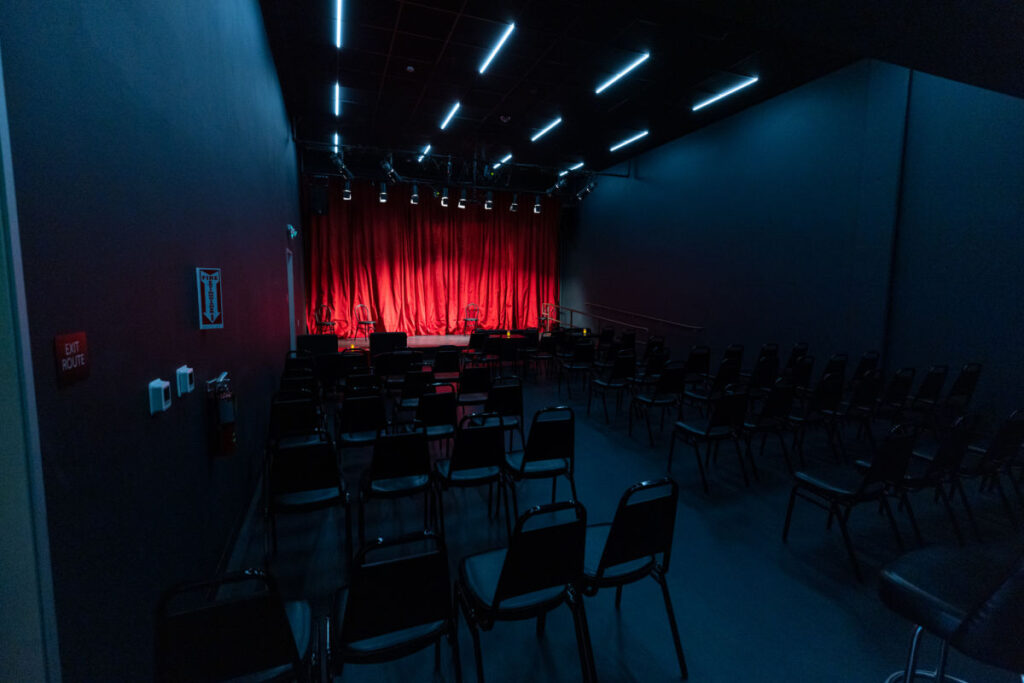
This theater provides stand up comedy courses that have an emphasis on providing a friendly and low-pressure setting, making it a perfect alternative for people of the West Coast who live outside of Los Angeles. Beginners who are still working through their stage fear will find it to be an ideal solution.
10. Comedy Cellar:
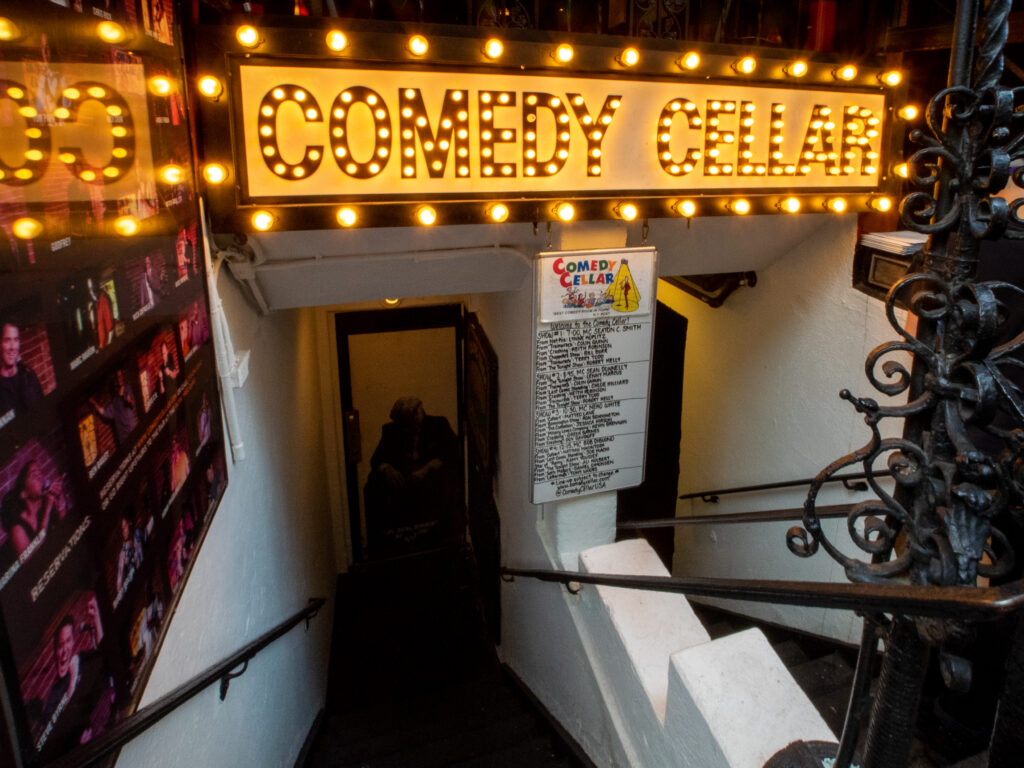
The mentorship that is offered here is exceptional, despite the fact that the program is technically driven by its display. It is one of the most difficult stand up comedy courses to enroll in, and it often requires some prior expertise. However, it positions you in the center of the comedy capital, which is a very desirable location.
FAQ’s
What skills could I expect to develop from taking stand up comedy courses?
Anticipate mastering the hallowed skill of making people laugh so much that, when they sit down, they forget their cell phones is in their back pocket. When you make jokes about cats practicing yoga bombs in a room full of dog lovers, you’ll become an expert at timing jokes, delivering punchlines, and recovering.
Do stand up comedy courses exist in a variety of levels and styles?
Of course! Classes include things like “I’ve never told a joke in my life” and “I’m ready to roast like a pro.” There is something for every kind of humor, whether it be sketch comedy, improv, or stand-up.
Does enrolling in any stand up comedy courses require any prior comedy experience?
Not at all! Experience is not necessary; all you need is the courage to attempt, fail, and try again without sobbing in front of others. Comedy lessons are similar to pizza in that you learn something worthwhile, so even when they’re awful, they’re still fairly good.
How can I pick the stand up comedy courses that best suits my needs?
Choose a class that feels right and doesn’t include any surprises, much like you would pick your nose. Putting jokes aside, think about the instructor’s background, the way the class is organized, and whether or not previous students genuinely laugh at alumni performances.
In comedy classes, will I have the chance to perform and get feedback?
Yes, it’s best part! The majority of lessons end with a show where you can demonstrate your newly acquired comedic skills. It’s similar to “The Voice,” but instead of singing, you hope the crowd laughs.
Are in-person and online stand up comedy courses equally effective?
They are able to! Flexibility and the convenience of taking classes from home are two benefits of online learning. However, nothing can quite match the enthusiasm and instant response of a live audience. Consider it the distinction between hearing genuine laughter and laughing with LOLs in messages.
Conclusion
A trip through stand up comedy courses is an investment in developing your creative potential, and you should take advantage of this opportunity. It doesn’t matter if you want to become the next big celebrity or if you just want to improve your public speaking and confidence; the qualities that you acquire in these programs—brevity, timing, and perspective—carry over into every part of your life.
You may guarantee that your entry into the world of comedy is backed by the greatest tools that the business has to offer by selecting a school that has a good reputation or excellent reputation. At this moment, you should get a notepad, locate a class, and begin writing; the stage is waiting for you.