









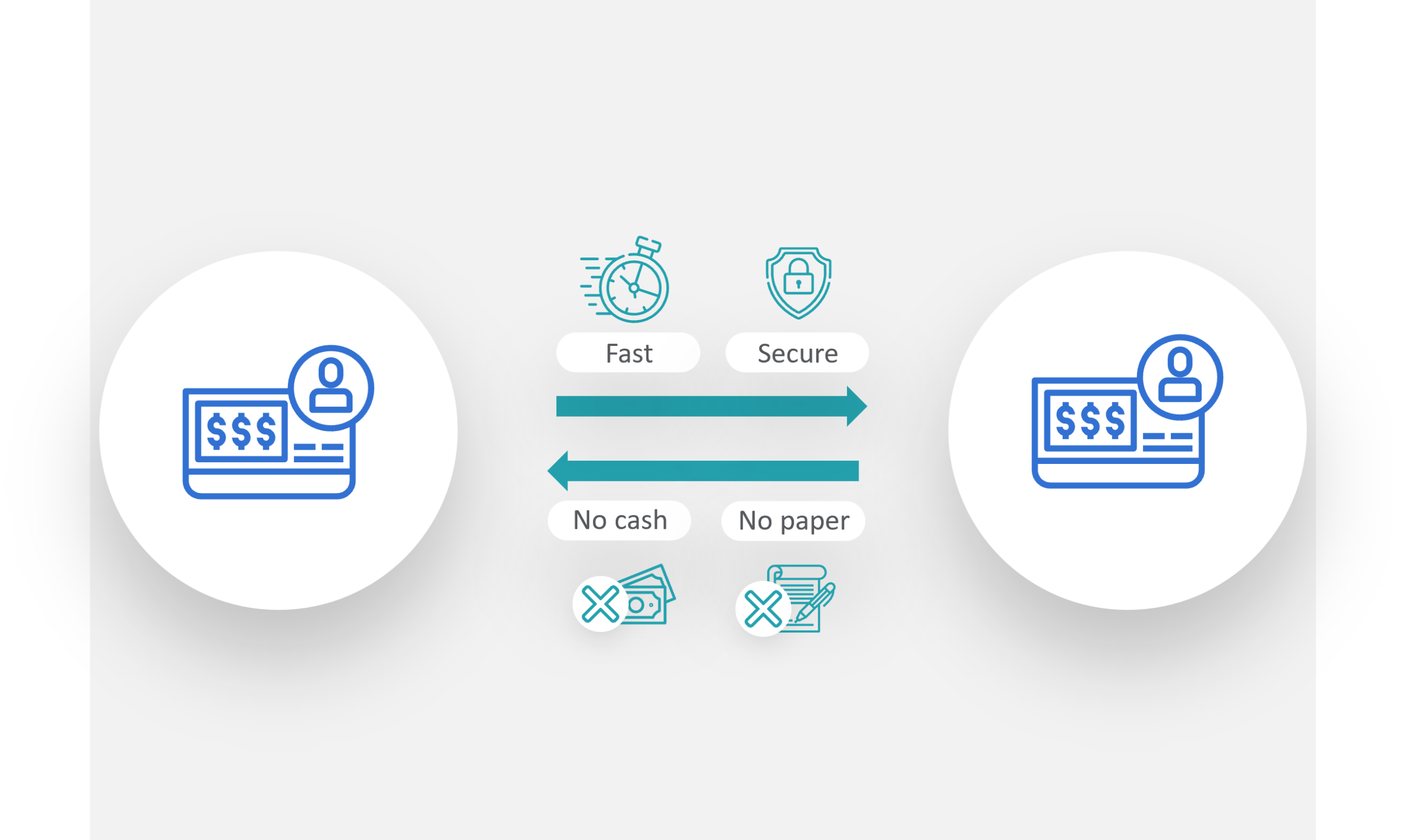
In a time when the financial industry is undergoing a digital transformation, online banking courses have become an essential resource for professionals and aspiring individuals who wish to improve their abilities. These courses are an exceptional option for individuals who are interested in establishing a successful career in banking, as they provide comprehensive training and flexibility.
Banking certification encompasses a variety of professional credentials that individuals in the banking sector can acquire to exhibit their proficiency, knowledge, and abilities in particular sectors of finance and banking. Professional organizations, institutions, and industry associations frequently provide these certifications, which can improve career prospects, assure compliance with industry standards and regulations, and give a competitive advantage.
This blog will explore the importance of online banking courses, the qualities of a high-quality program, and the potential impact on your career.
Table of Contents
How does Banking Work?
When we talk about banking, we are referring to a wide variety of financial services that are offered by institutions that guarantee the safety of transactions involving both cash and credit. Technological improvements have brought about a revolution in the banking business, despite the fact that banks have been an essential component of the financial system for many generations.
Banking institutions today provide a diverse range of services, which include checking and savings accounts, credit cards, money market accounts, certificates of deposit, loans, and a variety of other financial products and services.
Online and mobile banking have become increasingly popular, making it easier to access financial resources and simplifying the process of conducting transactions. As a result of the expansion of fintech companies and digital payment methods, the industry is permanently undergoing change in order to accommodate the ever-evolving requirements of clients.
Banking Course Curriculum: What To Know?
As a result of the fact that banking is a complicated profession that has multiple components, each online banking courses will appear somewhat different. In general, online banking courses provide students with practical insights and examples from the real world. This will enable online banking courses students to apply their knowledge to actual banking settings and improve their ability to solve problems.
Individuals who are just beginning their education in banking may decide to enroll in any online banking courses that provide an introduction to fundamental banking principles and laws, thus providing the groundwork for further investigation. Students have the opportunity to investigate the various types of banking institutions, such as commercial banks, investment banks, and central banks, as well as the roles that each of these institutions plays within the overall financial system.
A review of regular banking activities, different types of accounts, lines of credit, interest rates, and techniques for managing personal finances may also be included in these online banking courses. Individuals who are interested in extending their understanding of the complexity of the banking industry may choose to enroll in any online banking courses that focus on risk management, regulatory frameworks, and financial analysis.
In addition to this, they can have the chance to acquire knowledge on subjects such as credit evaluation, loan underwriting, investment strategies, and banking technology. The banking industry provides a variety of job opportunities, including the following:
- Retail banker: Provides direct financial assistance to clients. In the retail banking industry, some of the responsibilities that may be assigned include opening and managing accounts, as well as providing advice on a variety of banking products and services.
- Commercial banker: Is specifically trained to offer financial solutions to businesses. Management of credit risks, evaluation of loan applications, and evaluation of financial accounts are all possible responsibilities that they may be responsible for. And perhaps most crucially, they play a significant part in the process of establishing and sustaining partnerships with corporate clients, thereby guaranteeing that their financial requirements are satisfied.
- Investment banker: Provides financial guidance to corporations and institutions regarding investments, capital financing, and mergers and acquisitions. Those who work in this specialized field are responsible for doing market trend analysis, financial modeling, and providing clients with assistance in making strategic financial decisions.
- Wealth manager: Supports high-net-worth individuals in the management of their investments and the attainment of their financial objectives. Personalized guidance, the development of investment plans, and portfolio monitoring are all services that they offer.
- Risk manager: Is accountable for the identification and evaluation of prospective risks, the implementation of risk mitigation strategies, and the assurance of regulatory compliance.
Related Posts: Low Cost Universities in UK for International Students
Why You Should Choose Online Banking Courses?
For people who are already working in the banking industry as well as those who are just starting, online banking courses are a popular option because they offer a multitude of benefits. The following are the reasons why you should consider enrolling in one of the most reputable online banking courses:
1. Flexibility and Facilitation:
Online banking courses have a number of advantages, one of which is flexibility. You have the ability to study at your own pace and on your own timetable, which makes it much simpler to achieve a balance between your education and other obligations, such as work. In particular, this convenience is very helpful for professionals who are constantly on the go and need to improve their skills without interfering with their routine.
2. Holistic Learning:
A comprehensive understanding of banking principles, covering financial management, risk assessment, compliance, and digital banking technology, can be obtained through the most effective online banking courses which are available. These classes will teach you all you need to know to be successful in the banking profession, including the most important topics.
3. Having access to Expert Trainers:
A significant number of online banking courses are instructed by seasoned professionals who bring lessons learned from real-world situations into the classroom. The ability to acquire practical information and get an understanding of industry trends that are not usually included in standard textbooks is obtained via the process of learning from professionals.
4. Affordable Education:
In a way, the cost of online banking courses generally remains lower than the cost of traditional in-person classes. This affordable option, when paired with the adaptability of online learning, makes it an appealing choice for individuals who are interested in enhancing their banking expertise without breaking the bank.
5. Career Development Opportunities:
The successful completion of an online banking course can either help you grow in your current work or open doors to other career prospects of your own. You could become a more competitive candidate for employment, such as a financial analyst, loan officer, or banking manager, if you acquire the skills and certifications that are available to you.
What to Look for in Top Online Banking Courses?
In an effort to guarantee that you receive the most beneficial education possible, it is essential to take into consideration many aspects when selecting an online banking course.
Here are some things to keep an eye out for:
1. Accredited Institutions:
Choose online banking courses that are provided by organizations or institutions that have been granted accreditation. The process of obtaining accreditation guarantees that the course is recognized by employers in the industry and that it satisfies high educational standards.
2. Relevant Course Material:
It is recommended that the course cover a wide variety of subjects that are pertinent to the banking industry, such as customer service, risk management, digital banking, and financial laws. The full knowledge that is necessary for success can be obtained through the completion of a curriculum that is well-rounded.
3. Experienced Educators:
You should look for online banking courses that are taught by instructors who have substantial expertise in the sector. Teachers who have experience in the field can provide students with insightful advice and examples of how banking principles can be used in the real world.
4. Interactive Educational Resources:
Interactive components like quizzes, case studies, and discussion forums are frequently found in the best online banking courses. These characteristics improve the quality of your educational experience and make it easier for you to apply theoretical information to real-world situations.
5. Support and Available Resources:
Take the necessary steps to ensure that the course offers access to various support tools, including online forums, academic advisers, and career services. By utilizing these materials, you will be able to successfully navigate the course and accomplish your professional objectives.
6. Demand and Trends in the Industry:
Consider enrolling in online banking courses that cover the most recent demands and developments in the field. It may be more beneficial to take classes that concentrate on developing fields such as fintech, digital banking, and changes in regulatory policies.
Top Online Banking Courses with Certificates
Professional and Foundational Banking Certificates
1. Introduction to Banking (CFI):
Issued by the Corporate Finance Institute (CFI), this course is focused on the development of fundamental banking knowledge and the establishment of career paths. It is an ideal entry point for beginners, as it is a self-paced online program with a brief duration of around 53 minutes to 1 hour. Although there are no rigid eligibility criteria, it is advantageous to possess a fundamental comprehension of mathematics.
The content encompasses an examination of balance sheets and income statements, banking services, the various types of financial institutions, and the methods by which banks generate revenue. To be able to obtain the certificate, students must obtain a passing score of 80% on the final assessment. The course is included in CFI’s annual subscription, which is priced at roughly $497 for Self-Study and $847 for Full-Immersion.
2. Banking Fundamentals (Udemy):

This course, which was developed by Rian Chapman on the Udemy platform, provides a comprehensive specialization in the fundamental knowledge necessary for a banking career. The program is relatively brief, comprising approximately two hours of upon request video content that is provided in a flexible online format. Any individual with an interest in the sector, including students and beginning-career professionals, is eligible to participate, and there are no prerequisites.
The curriculum emphasizes the history of banking, the process by which banks generate money, their interactions with the Federal Reserve, and the role of regulatory bodies. In order to obtain the certificate, users must satisfactorily complete all of the video content and successfully complete the integrated exams. The price for everlasting access to Udemy courses fluctuates according to the frequency of their promotions, but it typically falls within the range of $15 to $100.
3. Foundations of Central Bank Law (edX):
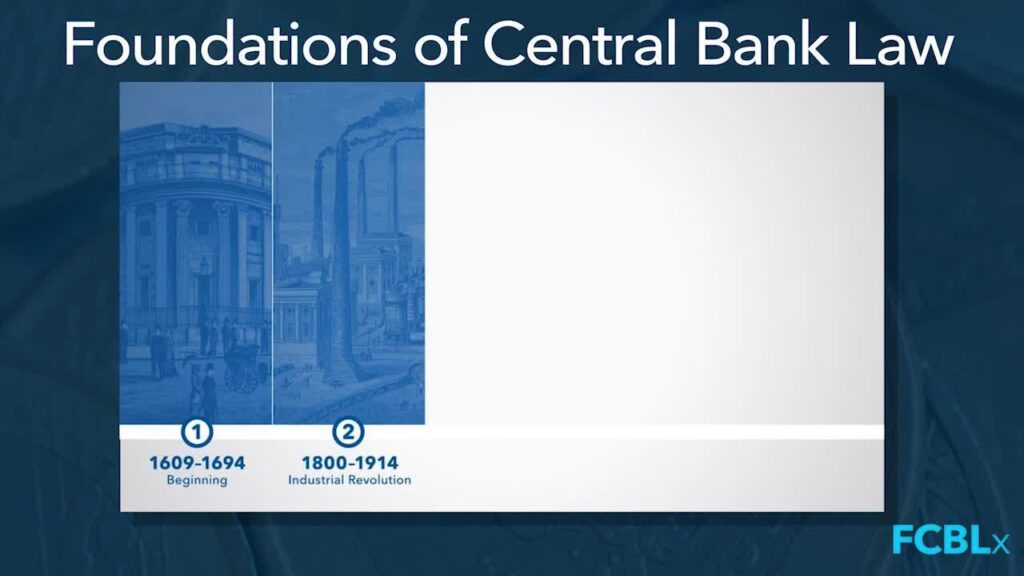
The International Monetary Fund (IMF) issues this specialized program through the edX platform. It concentrates on the legal foundations of central bank mandates, transparency, and autonomy. The burden typically consists of 2–3 hours per week, and the duration is typically 9 weeks. Eligibility is intended for legal advisors or specialists with a law degree who are employed in central banks or ministries of finance.
The content comprises theoretical components and practical exercises that focus on the analysis of legal frameworks of central banks. The course is self-paced and includes readings and video lectures. The certificate typically necessitates a passing grade of 60%. Although the course is available for auditing at no cost, a verified certificate is priced at approximately $25 to $50.
4. Certified Banking Finance Professional (Rcademy):
This professional certification is exclusively focused on high-level banking operations and financial regulation and is provided by Rcademy. The course duration for live online sessions typically lasts for five days, although self-paced versions may differ. A background in finance or business, or appropriate work experience in a financial institution, is typically necessary for eligibility.
The content emphasizes the practical application of banking principles, risk management, and strategic business elements. The format is extremely interactive, frequently incorporating hands-on projects and case studies. Certification necessitates a passing score of 70% on the concluding examination. The cost of these professional-grade programs can be substantial, with a typical range of £2,850 to £8,675, contingent upon the specific module and level.
Digital Banking and Specialized Investment Programs
5. Investment Banking and Private Equity Modeling (CFI):
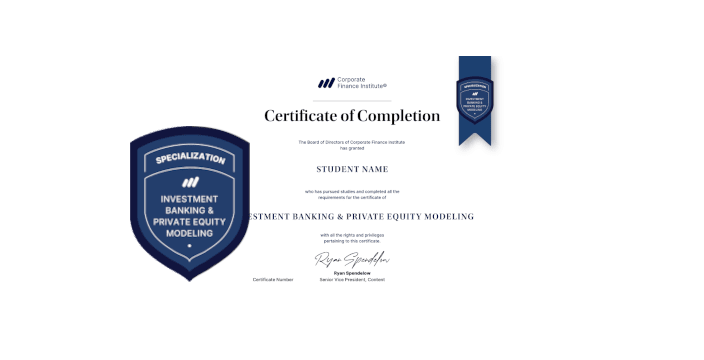
The Corporate Finance Institute (CFI) has issued this advanced specialization to impart technical valuation and modeling skills. The duration of the program is adaptable; however, it typically requires several weeks to complete as part of a more extensive certification route, such as the FMVA. Eligibility is not restricted; however, it is strongly advised that students have completed courses in Excel and accounting fundamentals before enrolling.
The content is comprehensive, encompassing capital structure, deal structuring, and LBO modeling. The format is wholly online and includes video tutorials and downloadable templates. In order to obtain the credential, a passing score of 80% is necessary on all core assessments. The standard CFI subscription, which ranges from $497 to $847 annually, grants access.
Related Posts: Best Online Colleges That Provide Laptops To Students
6. Fundamentals of Digital Banking (CFI):
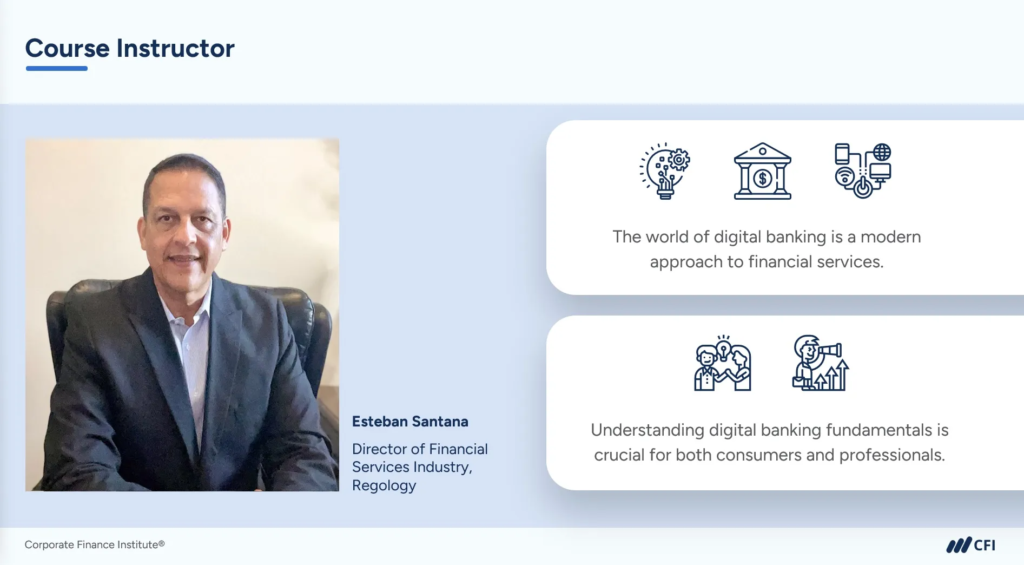
Issued by the Corporate Finance Institute (CFI), this course is dedicated to the technological advancements of the financial sector. It is presented in a self-paced online format and has a brief duration of approximately 1.5 to 2 hours. It is appropriate for both conventional bankers and technology professionals, as there are no formal eligibility requirements.
The content delves into the incorporation of fintech, modern payment architectures, and digital-first banking. The focus is on the manner in which technology enhances operational efficiency and alters customer delivery models. Certification necessitates a passing score of 80% on the concluding quiz. The annual CFI subscription charge of $497 includes this course.
7. Financial Statement Analysis for Investment Banking (LSE):

This course, which is offered by the London School of Economics (LSE) through platforms such as ShortCoursesPortal, is dedicated to the rigorous assessment of financial performance. The program is typically administered in a structured online format, with weekly modules, and typically lasts for 8 to 10 weeks. A bachelor’s degree or substantial professional experience in finance is typically necessary for eligibility.
The content emphasizes the three fundamental financial statements, ratios, and the interpretation of data to inform investment decisions. To achieve a passing grade, students are required to participate in peer discussions and submit weekly assignments. The pass score is determined by the cumulative grade of assignments and the final project. The cost varies between £2,500 and £3,500, which is indicative of its Ivy-plus academic status.
8. FinTech: Foundations & Applications (Coursera):
The Wharton School of the University of Pennsylvania offers this specialization through Coursera. It concentrates on the intersection of technology and finance, which encompasses digital assets and blockchain. The project will take approximately four months to complete at a rate of two hours per week. Although there are no specific eligibility criteria, it is advisable to have a basic understanding of data.
The content comprises four modules that address crowdfunding, robo-advising, and payments. Video lectures, readings, and practice exams comprise the format. All graded assignments are typically required to achieve a pass score of 80%. The fee is dependent on a Coursera subscription, which typically ranges from $49 to $79 per month.
Industry Certifications on a Global Scale
9. Chartered Financial Analyst (CFA):
This “gold standard” certification, which is specialized in portfolio management and investment analysis, is issued by the CFA Institute. The process is lengthy, frequently requiring three to four years to complete all three levels. Eventually, 4,000 hours of professional work experience are required, in addition to a bachelor’s degree (or being in the final year of one).
The content is a substantial “Candidate Body of Knowledge” that encompasses fixed income, derivatives, and ethics. The format comprises rigorous proctored exams. The pass score is contingent upon the Minimum Passing Score (MPS) established by the board, which varies from year to year. The total cost is contingent upon the timing of registration, ranging from $3,520 to $4,600.
10. Financial Risk Manager (FRM):
Specialized in quantitative risk management, this course is issued by the Global Association of Risk Professionals (GARP). The program is divided into two components, which typically take between one and two years to complete. The exams are open to all candidates, but final certification necessitates two years of relevant work experience.
The content emphasizes operational risk, credit risk, and market risk in the context of institutions. The format is predicated on two rigorous, multiple-choice examinations. In that session, pass scores are determined by the relative performance of the candidate in comparison to other candidates. The cost is comprised of a $400 enrollment fee and exam fees ranging from $600 to $800 per part.
11. Certified Financial Planner (CFP):
This certification is issued by the CFP Board, which specializes in wealth management and personal financial planning. Coursework typically lasts for 12 to 18 months, followed by a significant examination. Eligibility necessitates a bachelor’s degree and 6,000 hours of professional experience (or 4,000 hours of apprenticeship). The content encompasses insurance, retirement planning, estate planning, and taxes.
This format comprises a formal education that is followed by a challenging six-hour computer-based examination. The pass score is “criterion-referenced,” which guarantees that you must satisfy a predetermined level of proficiency. The exam itself costs approximately $925, in addition to the cost of the mandatory education program.
FAQ’s
What are the advantages of enrolling in an online banking course?
Online banking courses provide a variety of benefits, including cost-effectiveness, access to expert instructors, comprehensive learning, and career advancement opportunities. These advantages render them an appealing alternative for improving finance abilities.
Are online banking courses as successful as traditional classes?
Certainly, online banking courses could be equally efficient as traditional classes if they are offered by accredited institutions and incorporate interactive elements. They cover essential banking topics while offering flexible learning.
What are the potential career paths that an online finance course can provide?
A financial analyst, loan officer, banking manager, and other positions are among the numerous career opportunities that can be achieved through any online banking courses. The course equips students with the necessary qualifications and abilities to secure these roles.
What is the average cost of online banking courses?
The cost of online banking courses is dependent upon the duration of the program and the institution. Nevertheless, online courses are frequently more cost-effective than traditional in-person classes, rendering them a viable alternative for improving one’s abilities.
You can advance your professional development in the dynamic world of finance by investing in a top-tier online banking course, which will provide you with the necessary expertise and qualifications.
Conclusion
If you are seeking to advance your career in the financial sector, online banking courses are a valuable investment. These courses provide a practical and efficient method of improving your banking skills due to their comprehensive content, expert instruction, and flexibility. By selecting a top-rated online banking course, you can acquire the necessary knowledge and credentials to succeed in the industry and explore new career opportunities.
Registration in an online banking courses can establish you on the path to success, regardless of whether you are a beginner or attempting to advance in your current position. Take the next phase in your professional journey today by exploring the available options and selecting a course that is in alignment with your career objectives.