










We spend billions of dollars on pharmaceuticals every year. In addition to sometimes only reducing symptoms, the majority of pharmaceutical medications have a wide range of adverse effects. Not to mention that pharmaceutical medications might occasionally pose a long-term health danger due to their addictive nature.
As a result, a significant portion of the general population relies on holistic and complementary treatment. A career in holistic health and naturopathy from the schools for alternative medicine is now a clear choice for many people due to the rise in demand for holistic health practitioners. It can be challenging to select the best schools for alternative medicine, though, due to the variety of options available.
Therefore, it is extremely important to support yourself with as much information as possible before selecting the best schools for alternative medicine. To help you choose the best college, we’ve developed many major-specific rankings, including this list of the best schools for alternative medicine. Additionally, you can use the rankings below to compare two colleges based on the factors that are most important to you and choose any of the schools for alternative medicine that best suits your needs.
Table of Contents
What does “Alternative Medicine” mean?
A comprehensive program that examines the philosophies, science, and practice of complementary and alternative medicine (CAM) and entire medical systems. includes teaching about holistic nutrition, mind-body therapies, acupuncture, herbal therapy, naturopathy, homeopathy, and other modalities, comparing conventional and alternative medicine, and medical ethics. Along with training in particular, evidence-based integrative modalities, it also discusses the safety and effectiveness of complementary and alternative medicine.
How to Choose Between the Schools For Alternative Medicine
Consider the following criteria and think about the way each one fits into your life while selecting the best schools for alternative medicine for you.
1. Degrees Available:
The degrees the colleges you are considering offer is the first and most crucial thing to think about. Would you like to earn a Doctor of Naturopathic Medicine after completing your studies? A counseling psychology master’s degree? Choose a degree that best suits your interests and intended career path, then focus on finding the best schools for alternative medicine for that degree.
2. Location:
Research into the clinical possibilities offered to students at the schools for alternative medicine that you are thinking about attending. How do the labs and clinics on campus operate? Do they support your areas of research interest? Is it possible to work off-campus at nearby clinics? Remember that the clinical experience you get throughout your study will be equally as significant as the academic experience.
3. Clinical Prospects:
Consider whether you would be willing to move for your education and, if so, how far you could go. Think about whether you could live in the cities where the schools for alternative medicine are located after doing some study on them. If you are moving with a family, consider things like the weather, living expenses, and opportunities for other family members.
4. School Accreditation:
You should ONLY consider accredited programs to make sure your university program satisfies quality criteria. Evidence that your degree is from an accredited program is required by employers and graduate programs.
It is difficult to determine whether the standards set by the schools for alternative medicine are sufficient without accreditation. An authority on education conducts thorough program reviews on accredited schools for alternative medicines. Verifying the accreditation status of any educational program you are thinking about is crucial.
5. Experienced Faculty:
The faculty that teaches your courses is a crucial component of the program when considering suitable schools for alternative medicine. An outstanding educational program includes learning from highly qualified instructors in the field of alternative medicine.
People with years of experience in the field they are teaching should be hired by the university of your choice. In addition to providing the best possible course material, outside knowledge helps students.
Related Post: 6 Top Tech Communities in Nigeria and Africa
6. Degree Delivery Options:
When selecting possible schools for alternative medicine, the manner in which we obtain our education is just as crucial as everything else in this dynamic environment. When possible, attending in person is always a wonderful option, but you can boost your chances of finishing the degree program you are pursuing by looking for schools for alternative medicine that also offer other possibilities.
Regardless of their employment and family obligations, working adults can finish courses with the support of both fully and partially online programs. However, not all schools for alternative medicine have expertise in teaching online. Find a program that satisfies your delivery choice demands by taking the time to explore the schools for alternative medicine you are considering.
7. The Alternative Medicine Degree Program’s Flexibility:
Traditionally, full-time college courses are offered during regular business hours. Many adult learners find these daytime classes, which are offered Monday through Friday, to be too rigid. If course schedules are more flexible, you may be able to enroll in the degree program you want.
When considering schools for alternative medicine, keep the following flexibility considerations in mind:
- Are classes offered in the evenings?
- Do instructors have different office hours?
- Is it possible to modify the degree program to accommodate your work schedule?
- Are you able to attend part-time?
There can be a degree program that suits your needs even if you have a demanding job and family life. Some programs offer a lot of flexibility!
8. Awards and Accolades:
While there are many ways to evaluate a school program, local and national awards are always a useful tool for school studies. Several schools for alternative medicine make it a point to list all of their annual honors and accolades on their website. Numerous programs receive recognition each year; it will be helpful to take note of some of the honors.
Schools For Alternative Medicine

Both the Accreditation Commission for Acupuncture and Oriental Medicine and the Northwest Commission on Colleges and Universities have granted Bastyr accreditation. It also has specialized certification from the Academy of Nutrition and Dietetics’ certification Council for Education in Nutrition and Dietetics and the Midwifery Education Accreditation Council. The Council on Naturopathic Medical Education (CNME) has granted its Doctor of Naturopathic Medicine (N.D.) program accreditation.
Herbal and Chinese medicine dispensaries are available at Bastyr’s Center for Natural Health, which also offers clinical services. The Integrative Oncology Research Center is housed at the institution, and the National Institutes of Health (NIH) has awarded a training grant to its research unit. You may take part in research as a student at Bastyr through volunteer and work-study opportunities.
You may be eligible to take the national Registered Dietitian (R.D.) exam through Bastyr’s didactic nutrition program. As a student of Oriental medicine and acupuncture, you may take part in an externship in China.
2. Canadian College of Naturopathic Medicine (CCNM):
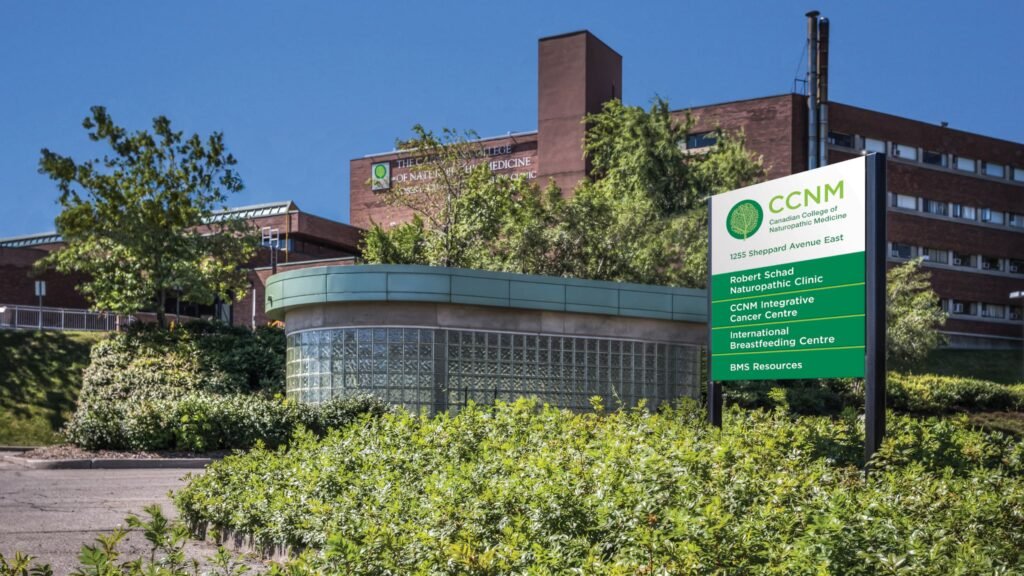
The Doctor of Naturopathic Medicine (N.D.) program at the Canadian College of Naturopathic Medicine (CCNM), which consists of both the Toronto Campus and the Boucher Campus in New Westminster, British Columbia, has been accredited by the Council on Naturopathic Medical Education (CNME). The Boucher Campus has the Education Quality Assurance (EQA) designation from the Province of British Columbia, and the institution is recognized by all Canadian jurisdictions that oversee naturopathic physicians.
An on-site teaching clinic at CCNM’s Boucher Campus offers the general public full natural health care. With studies on integrative cancer, dietary therapies, and the management of chronic diseases, the institute is a leader in naturopathic research. Through joint projects, the Research Club, and the Student Innovation Fund, Boucher Campus students can engage in research.
Over 1,200 hours of clinical training are part of the four-year, full-time program at the CCNM-Boucher Campus. Graduates may take part in specialized studies in fields like physical medicine, botanical medicine, and nutritional counseling, and they are ready for licensing in North America.
3. Pacific College of Health and Science:
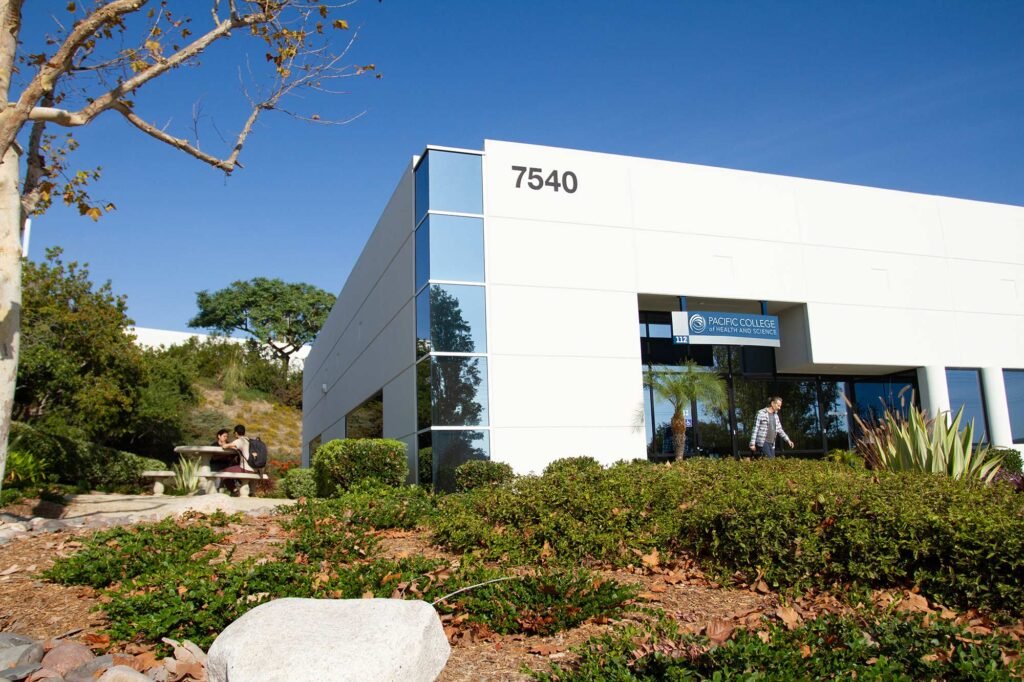
The Western Association of Schools and Colleges Senior College and University Commission (WSCUC) has granted Pacific College of Health and Science accreditation. The Commission on Collegiate Nursing Education (CCNE) accredits its nursing programs, while the Accreditation Commission for Acupuncture and Oriental Medicine (ACAOM) accredits its acupuncture and Chinese medicine programs.
With on-campus clinics in San Diego, New York, and Chicago, each with full-service herbal pharmacies and offering more than 50,000 treatments a year, this is one of the schools for alternative medicine that offers comprehensive clinical training. Pacific College students can take part in off-site clinical externships with organizations like Columbia University’s student health services, the UCSD Health Center, and the New York Harm Reduction Clinic.
The Patient-Centered Outcomes Research Institute and the National Institutes of Health (NIH) have provided research funding to the institution. As a student, you can participate in advanced international externship opportunities in China, do research, and engage in community engagement.
4. National College of Natural Medicine:
The National University of Natural Medicine (NUNM) has been accredited by both the Northwest Commission on Colleges and Universities (NWCCU) and the Accreditation Commission for Acupuncture and Herbal Medicine (ACAHM). The university’s Doctor of Naturopathic Medicine (ND) program has been certified by the Council on Naturopathic Medical Education (CNME), making it the oldest accredited naturopathic medical school in North America.
NUNM’s Health Centers, which also offer clinical services to the general public, have herbal and Chinese medicine stores with a large selection of bulk herbs and tinctures. The school has a Food as Medicine Institute with a professional teaching kitchen and the Helfgott Research Institute, which conducts integrative medicine research.
In addition to receiving practical clinical training at Helfgott’s Lair Hill and Beaverton Health Centers, you can participate in research as a student at NUNM. The School of Undergraduate and Graduate Studies at NUNM may be able to grant you advanced standing or specialized training in global health and nutrition. You may be able to take part in worldwide, practical clinical externships as a student of traditional Chinese medicine at NUNM, one of the top schools for alternative medicine.
5. Massachusetts College of Pharmacy and Health Sciences:
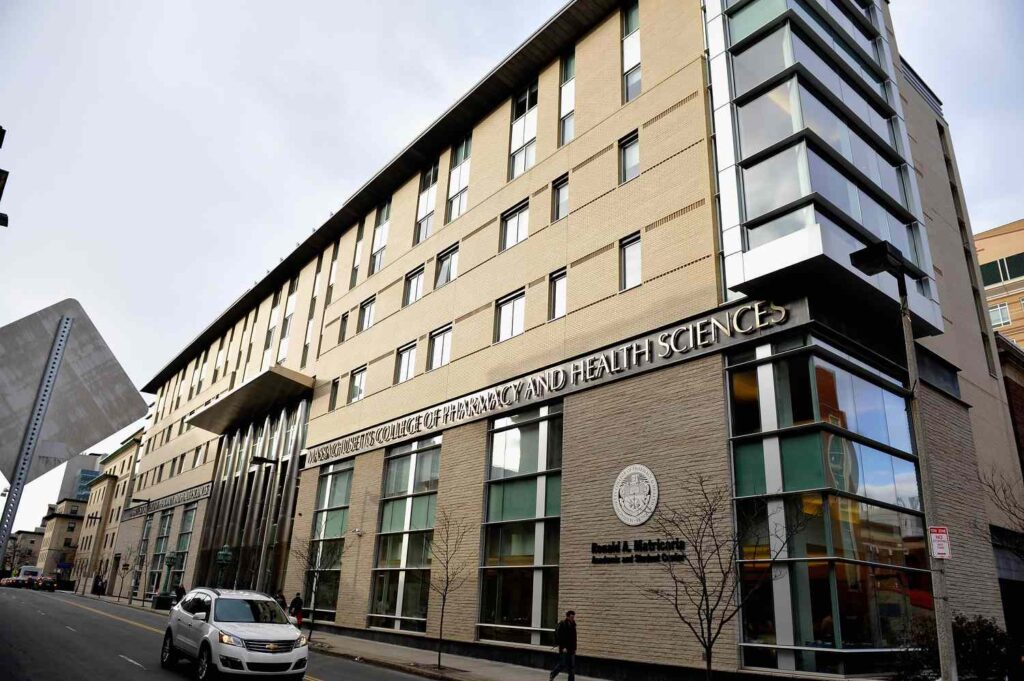
The Accreditation Commission for Acupuncture and Herbal Medicine (ACAHM) has granted accreditation to the Massachusetts College of Pharmacy and Health Sciences (MCPHS) New England School of Acupuncture (NESA). The New England Commission of Higher Education (NECHE) has granted MCPHS its accreditation. NESA is the only school in Massachusetts with approved programs in Chinese herbal medicine and acupuncture, and it is the oldest acupuncture school in the United States.
The Worcester and Boston campuses of NESA Acupuncture Treatment Centers provide clinical services and have fully furnished Chinese herbal pharmacies where students receive training. By treating patients in these clinics under the guidance of experts, you can obtain practical experience as a student at one of the top schools for alternative medicine.
The National Certification Commission for Acupuncture and Oriental Medicine (NCCAOM) board exams are open to graduates. Additionally, NESA provides specific instruction in Japanese Acupuncture Styles (JAS).
6. National University of Health Sciences:

The Higher Learning Commission (HLC) has certified the National University of Health Sciences (NUHS), which is known for its rigorous, scientific approach to integrative medicine. The Council on Naturopathic Medical Education (CNME) has granted its Doctor of Naturopathic Medicine (ND) program accreditation. Furthermore, the Accreditation Commission for Acupuncture and Herbal Medicine (ACAHM) has accredited its Master of Science in Oriental Medicine and Master of Science in Acupuncture programs.
The university, one of the best schools for alternative medicine, has “Whole Health Centers” on campus where students offer clinical services under faculty supervision and have access to large dispensaries of natural and herbal remedies. A pioneer in evidence-based complementary medicine, NUHS provides training in acupuncture, naturopathic medicine, and chiropractic. In states that recognize these professions, graduates are eligible for a license, and students can participate in research opportunities.
Related Post: What Are The Easiest Medical Schools To Get Into UK
7. Southern California University of Health Sciences:
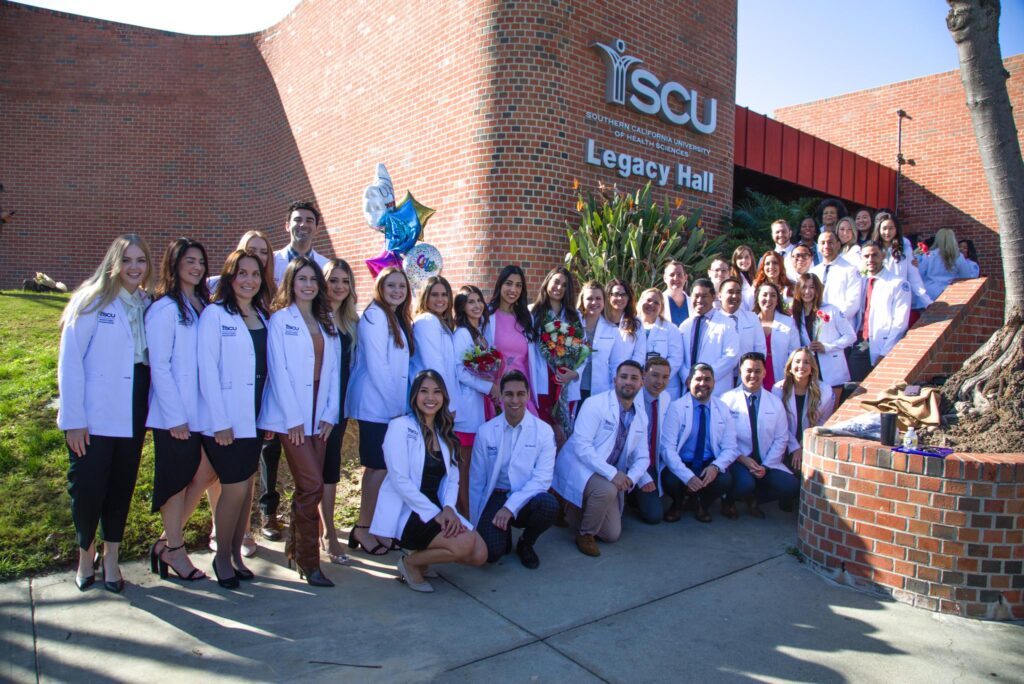
The WASC Senior College and University Commission (WSCUC) has granted Southern California University of Health Sciences (SCU) institutional accreditation. Its Master of Acupuncture and Chinese Medicine (MAcCHM) and Doctor of Acupuncture and Chinese Herbal Medicine (DAcCHM) programs have been recognized by the California Acupuncture Board and certified by the Accreditation Commission for Acupuncture and Herbal Medicine (ACAHM). The Council on Chiropractic Education (CCE) has granted accreditation to the Doctor of Chiropractic (DC) curriculum. Furthermore, the Ayurvedic Accreditation Commission (AAC) has accredited SCU’s Ayurvedic Practitioner and Ayurvedic Wellness Educator programs.
The University Health Center at SCU Health offers clinical services, including cutting-edge diagnostic imaging technology and on-campus herbal pharmacy. Students can train alongside peers in chiropractic, physician assistant, and other health science fields as part of the university’s emphasis on an interdisciplinary, “Whole Health” approach.
In addition to community outreach activities at specialized locations like the Children’s Hospital of Orange County (CHOC), students can take part in clinical rotations at the on-campus facility. There are chances for research, such as using a cadaver lab and an on-campus herb garden. Students at one of the best schools for alternative medicine have elective, immersive, worldwide study options in China and India through the Eastern Medicine department.
8. Northwestern Health Sciences University:
Founded in 1941, Northwestern Health Sciences University (NWHSU) is a specialist institution for alternative medicine with accreditation from the Higher Learning Commission (HLC). The Accreditation Commission for Acupuncture and Herbal Medicine (ACAHM) has granted it accreditation for its Chinese medicine and acupuncture programs. Furthermore, the Commission on Massage Therapy Accreditation (COMTA) has approved its massage therapy program, and the Council on Chiropractic Education (CCE) has accredited its chiropractic program. For practical student instruction, the university has the biggest Chinese herbal dispensary in the Midwest.
A variety of integrative care treatments, such as massage, chiropractic adjustments, acupuncture, and nutritional services, are provided to the general public by NWHSU clinics. Students at one of the best schools for alternative medicine have the chance to participate in a wide range of community clinics, including those for the underprivileged and in hospital settings, as well as clinical research. This leading school for alternative medicine is renowned for its emphasis on collaborative, integrative health practices and evidence-based therapy.
9. Drexel University:
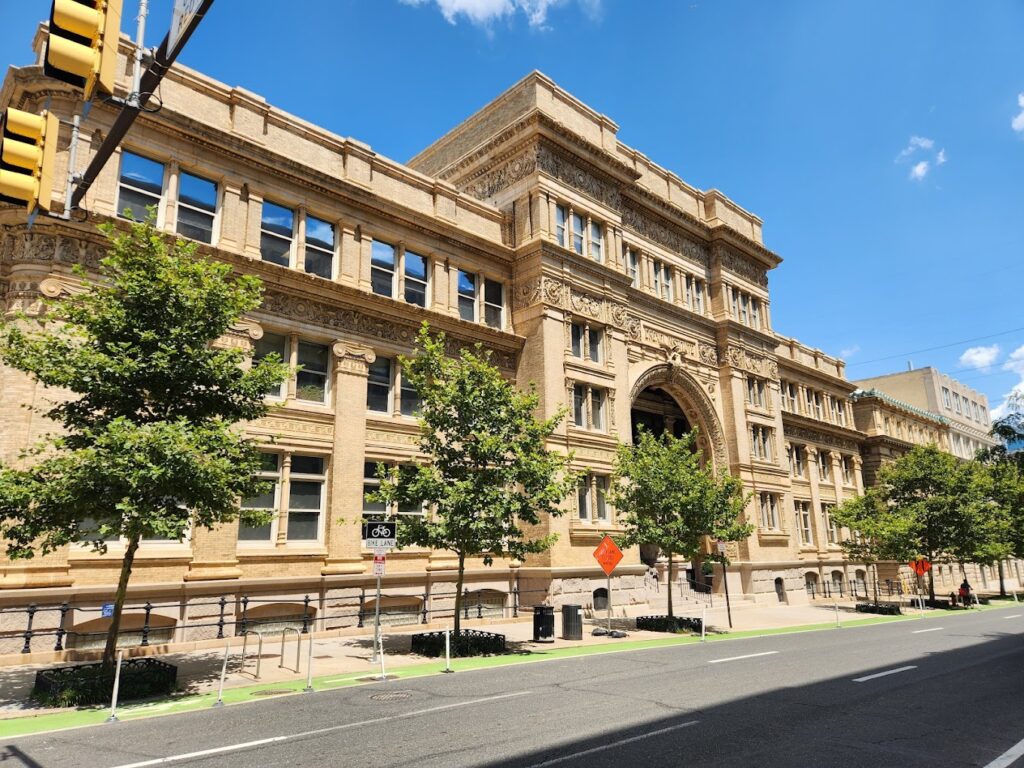
Drexel University provides advanced, evidence-based education in integrative health and has received regional accreditation from the Middle States Commission on Higher Education (MSCHE). The university offers a Master of Science in Complementary and Integrative Health (CIH) program through the College of Nursing and Health Professions, which covers subjects like mind/body modalities, functional nutrition, and phytomedicine. The American Holistic Nurses Association’s (AHNA) educational standards are the basis for this program’s creation.
Students in the Master’s program can now obtain a certificate recognized by the National Board for Health and Wellness Coaching (NBHWC) because to Drexel’s partnership with the Duke University Health & Well-Being Coach Training program. Alongside typical medical procedures, students in this curriculum can study traditional healing systems including Ayurveda and typical Chinese Medicine.
- Clinical and Experimental Experience: The Stephen and Sandra Sheller Family Health Services at this top schools for alternative medicine offers an environment for researching integrative health, with studies demonstrating the effectiveness of these methods in treating stress and chronic pain.
- Research Possibilities: Summer fellowships and specialized research projects in complementary therapies are among the research possibilities offered by Drexel, one of the leading schools for alternative medicine.
- Individualized Certification: The curriculum at these top schools for alternative medicine is created for working professionals to earn credentials in fields like clinical aromatherapy and complies with the criteria of the National Association for Holistic Aromatherapy.
10. Sonoran University of Health Sciences:
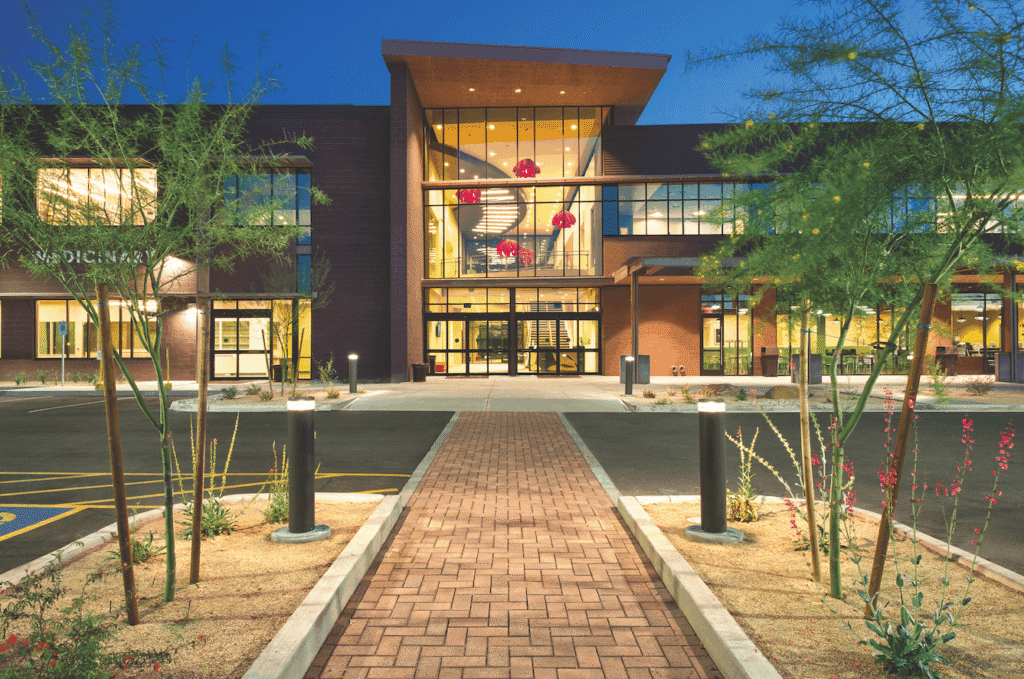
Sonoran University of Health Sciences (previously Southwest College of Naturopathic Medicine & Health Sciences) has received institutional accreditation from the Higher Learning Commission (HLC). The four-year Doctor of Naturopathic Medicine (N.D.) program has received accreditation from the Council on Naturopathic Medical Education (CNME). Programs offered by the university’s College of Nutrition help students become ready for the Certified Nutrition Specialist® (CNS) exam.
The Neil Riordan Center for Regenerative Medicine and the Sonoran University Medical Center, which provides clinical services, are located on the Sonoran campus in Tempe, Arizona. The organization is home to the Ric Scalzo Institute for Botanical Research as well as a sizable natural medicine store that sells vitamins and botanical remedies, including Chinese herbs. Through the Sage Foundation’s community health initiative, students can take part in research and obtain practical clinical experience. Master of Science degrees in clinical nutrition or clinical mental health counseling are also available to students at these prestigious schools for alternative medicine.
Related Post: Flutterwave joins the league of Unicorns in Africa after raising $170m, Now valued at over $1b
FAQ’s
Which five main categories comprise alternative medicine?
- Whole medical systems.
- Mind-body methods.
- Biologically grounded methods.
- Body-based and manipulative therapy.
- Energy-based treatments.
Which alternative medicine course is the best?
Bachelor of Ayurvedic Medicine & Surgery, or BAMS
How does one become a doctor practicing alternative medicine?
A doctorate in naturopathic medicine is required to work as a naturopath. Additionally, students can pursue master’s degrees in relevant subjects such integrative medicine research, ayurveda, global health, integrative mental health, or nutrition.
Conclusion
Schools for alternative medicine frequently supplement conventional medical methods in the rapidly changing healthcare industry. There is a growing demand for schools for alternative medicine that produce qualified alternative medicine practitioners as more integrative methods to wellness become available in our daily lives.
Not every school is established equal, and not every school provides a high-quality, adaptable curriculum to fulfill the requirements of kids in a society that is changing and adapting. Schools for alternative medicine that prioritize flexibility, degree delivery choices, faculty experience, and school accreditation are very well-known in the educational community.