









You’re staring at your grades right now, wondering, “Is it too late to fix this mess?, “how to increase my gpa?” You are not alone. Most students experience similar stress, particularly as graduation dates and scholarship requirements near. The good news is that you can definitely raise your GPA and possibly faster than you think.
Whether you want to obtain a 4.0 or merely improve your mark in a single class, there are various options for success. This guide focuses on what works. No fluff, just genuine, actionable steps. And using some clever tools along the road will make it even easier to turn things around.
Table of Contents
How does your grades impact your GPA?
The average grade you receive over the course of the academic year is known as your grade point average (GPA), and it varies based on the marks you receive in each of your classes. For example, four points are added to your cumulative GPA if you received an A+ in a class throughout the semester. Your GPA is determined by the grades you obtain for each course you take throughout a semester or academic year. Your GPA is calculated by averaging these points.
How to deal with a low GPA following graduation
There are several approaches to overcome a low GPA if you are worried on ‘how to increase my gpa’ and demonstrate your suitability for graduate school or an entry-level position. If you want to go to graduate school, find out if the institutions you are considering have minimum GPA requirements. For guidance on improving your chances of being admitted, you might want to speak with the graduate school’s career services or admissions office.
Your GPA may be crucial to getting an entry-level job if you intend to enter the profession right out of college. Employers may use your GPA to assess your qualification because many fresh college graduates lack real-world work experience. When applying for a job in a highly sought-after area, like technology or finance, a high GPA is typically used to choose the most qualified applicants.
In addition to your GPA, you might choose to concentrate on volunteering, internships, or leadership positions at your school if you want to increase your chances of landing an entry-level position. To demonstrate to prospective employers that you are more than just your GPA, you can also enroll in quick courses or earn one or more certifications.
You can also deal with a low GPA after graduation in the following ways:
1. Perform well on the GMAT or GRE:

If you intend to enter graduate school, you can shift the focus away from a poor undergraduate GPA by performing well on standardized tests such as the Graduate Management Admission Test (GMAT) or Graduate Record Examinations (GRE). Consider attending a prep course to have a better picture of what the exam entails.
If you decide to continue your education after you have entered the workforce, highlight any noteworthy real-life experience. Do the same with any investments you make in your future, such as internships or volunteer opportunities.
2. Earn a certification:
A high GPA demonstrates potential employees’ devotion to learning and knowledge in a given profession, but it is not a deal-breaker. Some firms seek personnel with more than just high college grades. They also examine your capacity to function in a certain job setting. You can obtain a certification or take short courses from a professional organization to acknowledge and enhance your knowledge and skills in that subject.
3. Don’t include your GPA on your CV:
Because not all employers are interested in a candidate’s GPA, it is not always necessary to include it on your resume. Some firms, such as Google, do not even examine a candidate’s GPA, focusing instead on interpersonal skills, amount of schooling, or experience. Instead, highlight accomplishments such as extracurricular activities, volunteering, and internships.
Unless the recruiting manager inquires about your GPA during an in-person interview, you are not required to bring it up. Instead, take this chance to demonstrate your interpersonal skills and confidence. While a good GPA is beneficial as a fresh graduate, once you’ve obtained work experience, employers prioritize your job performance over your past academics.
Easy Ways On How To Increase My GPA Fast
1. Establish clear academic goals:
Our first recommendation on how to increase my GPA is to set specific academic goals. As you move through school, it’s easy to become engrossed in the daily routine—going to school, attending practice or club meetings, doing homework, and repeating the process the following day. It’s easy to lose motivation over time, and your priorities may shift without your knowledge! This is where setting goals may be a game changer.
Setting specific academic goals is critical because it provides a road map for success; rather than merely yearning for a “better GPA,” create precise goals for each class. For example, if you have a B in math now, strive to improve it to a B+ or an A- by the end of the semester. Write out these objectives and divide them into actionable measures, such as raising test results or participating more in class.
Review your progress on a regular basis and make any necessary adjustments to your goals. By building clarity and direction, you will remain focused and motivated throughout the academic year, increasing your confidence and comfort level with each passing day!
2. Give Your Courses Priority:
Making your academics a priority is another crucial strategy on how to increase my GPA! Even though you must enroll in a specific number of classes each semester, not all of them are equally important for your GPA. Make sure to concentrate on core topics like math, physics, and English if they happen to be your core course, especially if they are difficult, as they typically have a greater impact on your overall GPA than electives.
Set aside more time for studying, ask for additional assistance if necessary, and make sure you give these courses your all! By focusing your time and resources on the most crucial subjects, you would understand how to increase my GPA. Therefore, make the most of the opportunity to set goals within these classes and use them to help add a boost!
3. Establish a Study Plan:
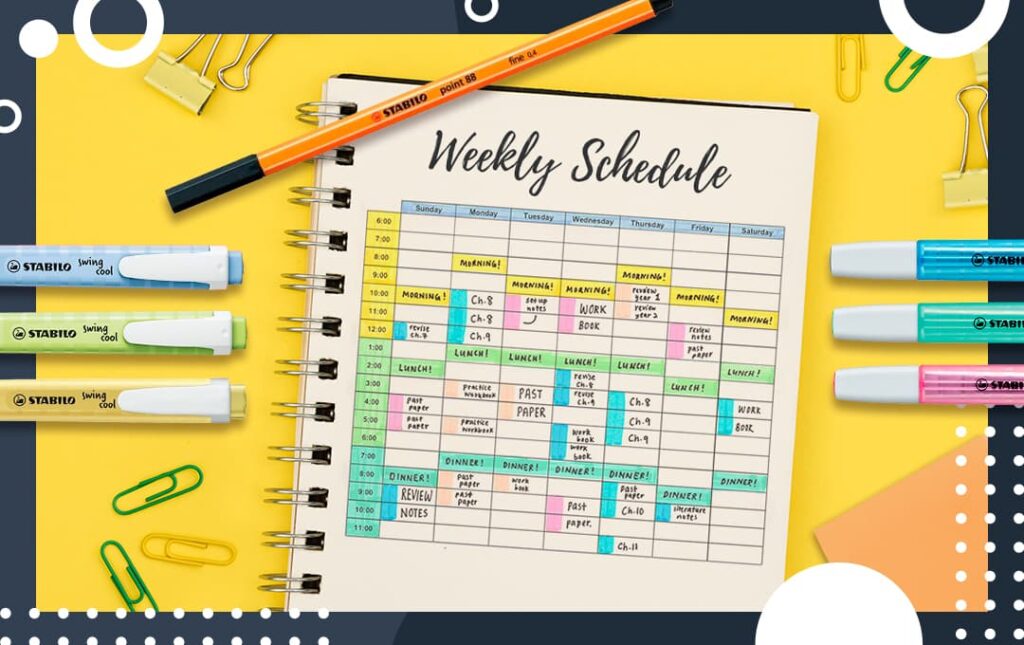
The power of a study routine is another excellent method on how to increase my GPA and grades. You can successfully manage your time and stay on track with your studies by making a good study schedule. Without a schedule, it’s simple to put things off, spend too much time on one topic while ignoring others, or even engage in time-wasting behaviors like using your phone excessively or concentrating on things that might not be important right now.
Make a note of all your classes and the amount of time you need to devote to them in order to establish an efficient plan. After that, set up particular hours every day to study, go over your notes, and do your assignments. Try to follow this schedule as closely as you can, and modify it as needed to account for unforeseen circumstances. A well-thought-out timetable can assist you in maintaining consistency and creating a sure strategy on how to increase my GPA which is essential!
4. Show Up for Every Class:
Making it a priority to attend your classes is another crucial piece of advice that will benefit you both in high school and throughout your time in college in ways or how to increase my GPA. Attending all of your classes—even the ones you might not enjoy as much—is critical since it guarantees that you won’t miss any important lectures, discussions, or assignments. Nothing can take the place of being in class, even if you believe you can catch up later.
Additionally, teachers frequently participate in discussions and offer exam tips and insights that you can’t fully understand from notes alone. Additionally, consistent attendance demonstrates your dedication to the course, which may enhance your participation rating. To strengthen your grasp of the subject, make it a point to show up to every class and engage fully.
5. Keep detailed notes:
Improving your note-taking technique is our fifth piece of advice on how to increase my GPA! Effective studying requires taking thorough notes in class. Good notes will serve as a customized study guide to assist you in finishing assignments, reviewing important ideas, and getting ready for tests!
Create a note-taking strategy that suits you, such as the Cornell method, which divides notes into sections that are simple to review. Make sure to record the key ideas, illustrations, and details that your instructor highlights. Take a few minutes after class to go over and arrange your notes while the information is still new.
6. Actively participate in Class:
Engaging in active participation in your classes is another great method on how to increase my GPA! Raising your hand in class is only one aspect of participating; another is actively engaged with the subject matter. Engaging in active participation reinforces your learning and shows that you are interested in the subject.
Asking questions, participating in conversations, and sharing your views can improve your comprehension and memory, even though it may seem daunting at first. Being involved in class can also help on how to increase my GPA because many teachers take it into account when determining final marks. Make an effort to participate in every class; you’ll see that it improves comprehension and grades.
Related: BEST EDUCATIONAL FREE GRANTS FOR COLLEGE STUDENTS
7. Create study groups:
Another very useful method for learning difficult subjects and on how to increase my GPA is study groups. You can fill in knowledge gaps and acquire fresh views when you study with others. You might find that group members’ explanations of topics resonate better with you than a teacher’s.
Additionally, instructing other members of the group strengthens your comprehension of the subject. Select participants that are dedicated to their studies if you want to get the most out of a study group. Set specific objectives for every meeting to ensure that the group remains focused and productive.
8. Ask for Additional Assistance When Needed:
Do you need assistance figuring out where you need support? Asking for assistance on how to increase my GPA when you need it is not a sign of weakness! Get further assistance right now if you’re having trouble with a certain topic or idea. This could entail using online tools like Khan Academy or Coursera, hiring a college admissions team like Empowerly, working with a tutor, or visiting office hours.
It will be simpler to learn how to increase my GPA, conquer your challenges and keep them from lowering your GPA if you deal with them as soon as possible. Seeking assistance early on can significantly improve your academic performance; don’t wait until you’re falling behind.
9. Check Your Grades Frequently:
Regularly reviewing your grades is another excellent strategy on how to increase my GPA! You can keep informed about your academic performance and pinpoint areas for growth by routinely evaluating your grades, even though we realize it might cause worry.
Make it a practice to check your results every week and take note of any trends, such as dropping marks in a particular subject, as most institutions offer online portals that allow you to track your grades in real time. If you see an issue, talk to the instructor about it right away or change the way you study. Keeping track of your grades will enable you to make the required adjustments on how to increase my GPA before it’s too late!
10. Become an expert time manager:
Another of our best recommendations for how to increase my gpa is time management! With it, you can effortlessly manage all of your homework, tests, and extracurricular activities.
Determine how you presently spend your time and search for opportunities to improve your efficiency! To arrange your work and establish priorities, use time management tools, planners, or calendars. Set aside time for each work and divide more complex undertakings into smaller, more manageable steps. You may lessen stress, prevent last-minute cramming, and make sure you give each subject the time it needs by becoming an expert time manager.
11. Pay Attention to Quality, Not Quantity:
Long study periods don’t always translate into higher scores; it’s more crucial to concentrate on the standard of your study sessions. This involves understanding the subject matter thoroughly as opposed to merely learning things by heart.
Making use of active learning strategies including summarizing material in your own words, imparting knowledge to others, or applying ideas to actual circumstances can help you on how to increase my GPA. Good study sessions help you retain information better and do well on tests since they are more efficient and less taxing.
12. Attend to Your Health:
Your academic performance on how to increase my GPA is directly impacted by your physical and mental well-being. It is tough to concentrate on your schoolwork when you are not feeling well. Make regular exercise, a healthy diet, and adequate sleep your top priorities. While a nutritious diet nourishes your brain, exercise can enhance your focus and memory.
Remember your mental well-being; relaxation and stress reduction are just as vital as learning. You can better manage the pressures of school and give your best effort when you take care of your health.
Related: 10 Best IT Colleges For International Students
13. Develop Self-Discipline:
Developing strong self-discipline habits is another crucial piece of advice to assist on how to increase my GPA (and to provide pathways to achieving your goals and objectives long after school has ended). Maintaining attention and dedication to your objectives despite challenges is a sign of self-discipline. Because it enables you to stay on course with your studies, finish assignments on time, and prevent procrastination, it’s an essential skill for academic success.
Start by setting modest, doable objectives that you can cross off your daily to-do list in order to cultivate self-discipline. As you gain proficiency with those, gradually raise the level of difficulty. you strengthen the habit, make sure you praise yourself when you accomplish these objectives!
FAQ’s
How to increase my GPA?
In higher-credit classes, aim for two A or A minus scores, maintain one confidence A, and aim for B plus to A minus on the other assignments.
How can I raise my GPA more quickly with study tools?
Learning tools make studying quicker, simpler, and more efficient by summarizing lengthy topics, creating flashcards and tests instantaneously, and providing answers at any time.
Should I repeat classes or just concentrate on new ones if my current GPA is extremely low?
Retaking classes with particularly low grades (like D or F) might greatly improve your GPA because most universities completely replace the previous grade.
Do instructors truly consider student engagement when assigning grades?
Of course! When you interact fully, ask insightful questions, and demonstrate real curiosity, professors take note. It may have a favorable effect on your final grade.
Conclusion
It’s not necessary to sacrifice your social life or have countless sleepless nights worrying on how to increase my GPA. Learning intelligently, managing your time effectively, and utilizing clever strategies and technologies that make learning far more efficient and less stressful are the best approaches.
Your stress level will decrease and your GPA will increase if you take advantage of these practical methods. Start today and make tiny but significant changes to give yourself the best opportunity.