






For both expatriate families/persons and an increasing number of German parents looking for bilingual, international, and university-oriented education, selecting the top international schools in Germany has become a significant concern. The nation is a global academic center, a labor market with a strong demand for foreign profiles, and an economic powerhouse all at once. In this regard, international schools in Germany are essential for maintaining educational continuity and providing access to universities in Germany, Europe, and other parts of the world.
International schools in Germany are popular, as they make the transition to Germany easier by allowing you to settle into a new country without having to switch educational systems right away. The majority of these schools use international curricula such as the International Baccalaureate (IB), British or American programs, or a combination of bilingual options.
While Germany’s public schools are excellent, the language barrier can be daunting at first. International schools in Germany are essential for maintaining educational continuity and providing access to universities bridge that gap by providing a more global environment with students from all over the world, experienced teachers in international education, and a variety of extracurricular activities. Class sizes are typically smaller, and campuses are generally modern and well-equipped.
This article will provide an overview of the different types of international schools in Germany, how their programs work, how much they cost, and how to choose the school that best suits your family.
Table of Contents
What Makes a Good International School?
There is no single definition for what an international school is or should be, which is why they come in a variety of sizes. That is also why many of these institutions use different formats, curricula, and teaching philosophies. Does this imply that any school can claim to be “international“? Not quite.
A school is truly international when its students, faculty, curriculum, partnerships, and outlook reflect global diversity, which is precisely what you’ll find at international schools in Germany.
Why choose an international school in Germany?
International schools in Germany provide a seamless and encouraging start to life in Germany for many foreign families/persons who are considering relocating or already reside there. They assist with the transition to a new life and culture while allowing you to continue your education in English or another familiar language.
The majority of international schools in Germany use internationally recognized curricula like the American High School Diploma, the British curriculum (IGCSEs and A Levels), or the International Baccalaureate (IB). This is a major benefit for globally mobile families and individuals: if you move again, you can transfer to another international school with little disruption.
Additionally, the student bodies at these institutions are frequently highly international. You are exposed to new languages, viewpoints, and cultural customs at an early age by learning alongside peers from dozens of different nations. In addition to providing you with a top-notch, well-structured education, many students find that this setting makes them feel like they belong to a global community.
How international schools differ from German schools
Germany’s public school system is known for its high standards, but it differs significantly from what many expat families/persons are accustomed to. The main distinction is language: public schools teach almost exclusively in German, whereas international schools in Germany teach in English or another foreign language. This can make the transition much easier for newcomers to the country, especially if you do not yet speak German.
Additionally, the teaching style can differ greatly. After primary school (Grundschule), students are transferred into various school types, with an emphasis on academic structure and early specializations. As a result, international schools in Germany typically adhere to more comprehensive, inquiry-based curricula such as the British or American systems or the International Baccalaureate (IB). These courses emphasize critical thinking, global awareness, and transferable skills.
Another difference is the classroom environment. International schools in Germany usually have more diverse student populations, smaller class sizes, and a wider range of extracurricular activities. They might also place a greater emphasis on community service, technology, and creativity.
Whether you want to follow a more international path or fully integrate into the German system depends on language, flexibility, and educational style for many foreign families and persons.
Related Posts: Best Most Popular Business Schools in France
Types of International Schools in Germany
International schools in Germany differ in terms of curriculum, style, and cultural emphasis. Most adhere to well-known educational systems that facilitate international school transfers. The primary varieties are as follows:
1. International Baccalaureate (IB) Schools:
In Germany, IB schools are among the most prevalent. They provide the internationally renowned International Baccalaureate program, which emphasizes intercultural understanding, inquiry-based learning, and critical thinking. Universities all over the world, including those in Germany, the UK, and the US, accept the IB diploma. Because IB schools promote independent learning and prepare students for higher education anywhere in the world, many families/persons choose them.
2. British Curriculum Schools:
IGCSEs and A Levels are awarded by British international schools using the UK’s National Curriculum. Families/persons from Commonwealth nations or those who intend to continue their education in the UK are familiar with this method, which offers a solid academic foundation. In order to assist non-native English speakers, many British schools in Germany also incorporate elements of international education. Lessons are typically structured, with distinct phases for assessment.
3. American and Canadian Schools:
In addition to offering the American High School Diploma, American and Canadian international schools may also offer Advanced Placement (AP) or International Baccalaureate (IB) programs. These schools frequently place a strong emphasis on leadership development, extracurricular activities, and a wide-ranging, adaptable curriculum. They are an excellent option for families who want a less exam-heavy educational approach or who intend to relocate within North America.
4. Bilingual and European Schools:
Additionally, the number of bilingual and European schools in Germany is increasing. These frequently serve both domestic and foreign students and combine German with instruction in English, French, or Spanish. The European Baccalaureate is offered by European schools, which are funded by the EU and primarily serve EU employees. For families/persons who want to learn English while also assimilating into German culture, bilingual schools can be a fantastic choice.
Tuition Fees and Costs
Depending on the city, curriculum, and facilities, tuition costs at international schools in Germany can differ significantly. With preschool and primary grades at the lower end of the scale and secondary or diploma programs at the higher end, annual fees generally range from €8,000 to €25,000 per student.
Due to the high demand for international education as well as the cost of living, cities like Munich and Frankfurt typically have the highest fees. While smaller cities like Bonn or Stuttgart typically fall in the middle range, Berlin and Hamburg are typically somewhat more affordable.
While basic educational supplies and classroom instruction are typically covered by tuition, you should budget for extra expenses like:
- Registration and application fees (often non-refundable)
- Transportation or school bus services
- Lunch programs
- Uniforms and sportswear
- Field trips, extracurricular activities, and exam fees
Some schools charge one-time capital development fees or provide sibling discounts and partial scholarships. Policies vary from institution to institution, so it’s important to double-check what’s included before enrolling. Although the cost of attending international schools in germany is high, many families/persons see it as an investment in quality and continuity, making sure that they can learn in systems they are familiar with and move between nations with ease if necessary.
Admissions and Enrollment
In general, applying to international schools in Germany is simple, but preparation is essential. Popular schools in cities like Munich, Frankfurt, and Berlin frequently fill their spots early, and many schools start accepting applications up to a year before the academic year begins. You have the best chance of finding a spot if you begin your search six to twelve months in advance.
Most international schools in Germany request the following from families or individuals:
- Transcripts or report cards from the last two years
- A recommendation from a teacher or a school reference
- A copy of the residency permit or passport
- Evidence of language competency, particularly for students enrolling in English-language courses
- Occasionally, a brief interview or placement evaluation to ascertain academic standing and language assistance requirements
Many international schools in Germany offer rolling admissions, which allows new students to start in the middle of the year if space permits, because foreign families frequently move at different times of the year. However, waiting lists do occasionally form, especially in early childhood or diploma programs.
To increase your chances of success, apply early, be flexible with grade placement if possible, and contact the admissions office directly to express genuine interest. International schools in Germany value proactive communication and are often willing to help new families or individuals navigate the process.
Accreditation and Curriculum Recognition
It is important to confirm that the school and its programs are appropriately accredited when selecting international schools in Germany. Accreditation guarantees that your diploma will be accepted by universities worldwide and that the school satisfies accepted international standards for curriculum, teaching quality, and student support.
The majority of accredited international schools in Germany are recognized by organizations like
- The Council of International Schools (CIS)
- The New England Association of Schools and Colleges (NEASC)
- The International Baccalaureate Organization (IBO)
- The Council of British International Schools (COBIS)
- The Middle States Association (MSA) or other regional accrediting bodies
These accreditations demonstrate consistency and quality across borders. For example, an International Baccalaureate (IB) Diploma or British A Levels obtained in Germany are recognized by universities throughout Europe, North America, and beyond.
Numerous international credentials are also accepted by German authorities. As long as they fulfill the language and subject requirements, IB and A Level graduates can apply straight to German universities. If students intend to continue their education in Germany, international schools in Germany will assist you in this process and assist students in selecting the appropriate courses.
Although it may not sound thrilling, accreditation is your best indicator that an international education in Germany will lead to opportunities worldwide.
Related Posts: Best English Speaking Universities in France For International Students
Alternatives to International Schools in Germany
For foreign families/persons in Germany, there are other options beside international schools. There are a number of other options for obtaining a top-notch education, some of which are more economical and more integrated into the community, depending on your age, language proficiency, and length of stay.
A. Bilingual Public Schools in German:
German is taught alongside English, French, or Spanish in many German cities’ public school systems. These schools offer non-native speakers additional language support while adhering to the German curriculum. For people who wish to learn German while they are still learning a language they are only partially familiar with, it can be a great option.
B. European Schools:
The European Union funds and accredits European schools, which are primarily intended for children of EU employees. They provide the European Baccalaureate, which is accepted in every EU member state, as well as multilingual education. A few spots are typically open to non-EU families, which makes them a compelling choice for individuals looking for an academic pathway that is distinctly European.
C. Bilingual Private Programs:
Some private German schools include bilingual or international tracks in their curricula in addition to public options. While providing instruction in two languages, these schools are usually smaller than traditional international schools in Germany and may concentrate on particular teaching philosophies like Waldorf or Montessori.
D. Integration with the Local Educational System:
To assist international students in catching up with German, many local schools now offer language integration programs (Sprach Münderung). Younger kids in particular usually pick things up quickly and become fluent in a year or two.
Exploring these options can help families strike the right balance between international familiarity and deeper integration into German society, both academically and culturally.
Top International Schools in Germany
1. Free University of Berlin:
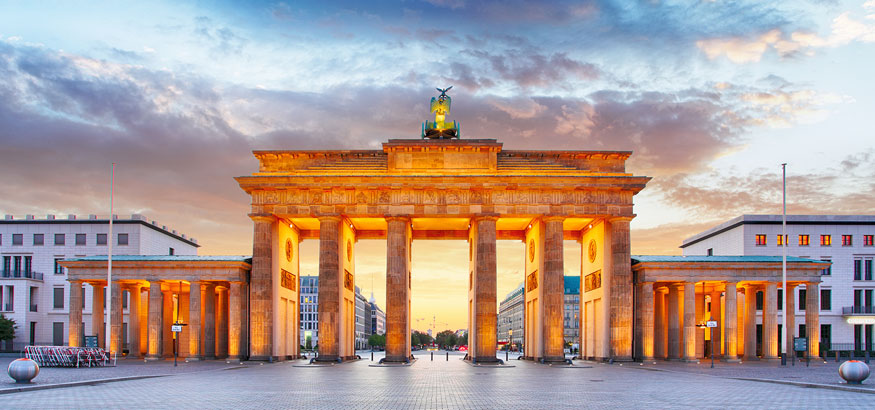
For international students seeking a wide range of academic options in Germany, the Free University of Berlin is a solid option. It offers over 150 degree programs in a variety of fields, including economics, computer science, social sciences, natural sciences, humanities, and data science. Additionally, a variety of bachelor’s and master’s programs taught exclusively in English are available to international students.
Data science, bioinformatics, computational sciences, cognitive neuroscience, global history, and sociology with a focus on European societies are some of these. FU Berlin is a good choice for students looking for a globally focused education in one of Germany’s most cosmopolitan cities because of its international partnerships and diverse student body.
2. Technical University of Munich:
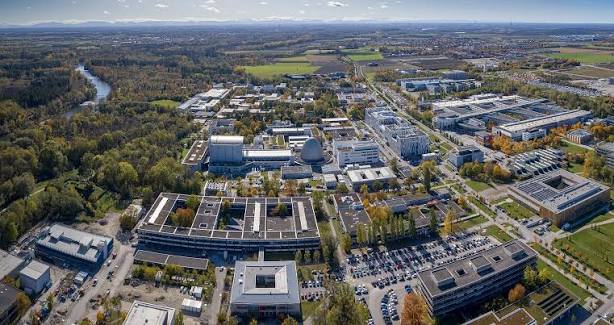
For international students studying science, engineering, technology, and innovation, the Technical University of Munich is a great option. With programs focused on research and real-world applications, its academic portfolio encompasses engineering, computer science, natural sciences, medicine, management, and life sciences. Additionally, TUM is becoming more accessible to students who do not speak German by offering an increasing number of English-taught programs, especially at the postgraduate level.
Students pursuing global careers can benefit from its strong industry connections, research environment, and international partnerships. TUM, which has been named a University of Excellence several times, continues to be one of Germany’s most popular options for study abroad.
3. Humboldt University of Berlin:
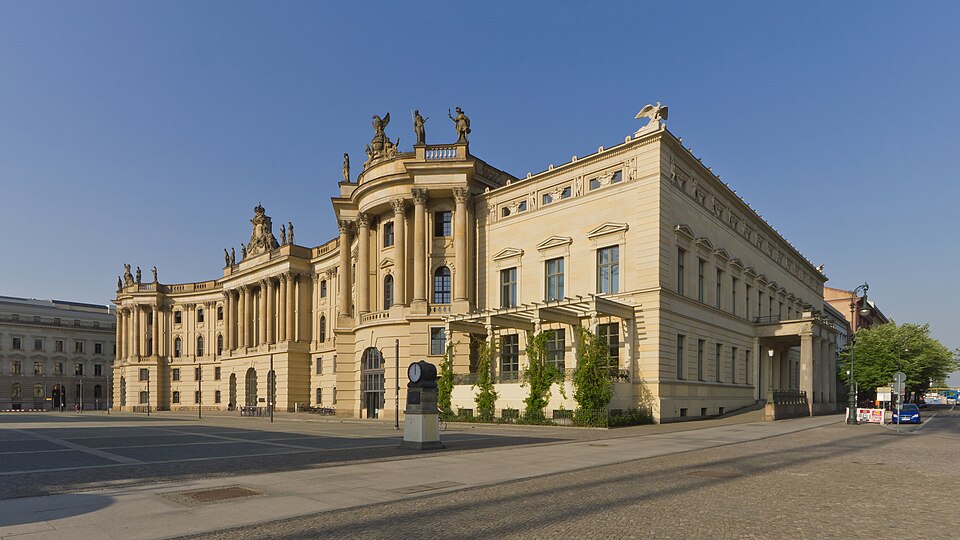
International students have access to a diverse academic environment while studying at one of Germany’s oldest research universities at Humboldt University of Berlin. Humanities, social sciences, economics, natural sciences, and other fields with a strong emphasis on research are all included in its curricula. At the postgraduate level, students can choose from English-taught, globally focused programs related to British Studies, global change, social sciences, and international affairs.
Access to international organizations, cultural institutions, research facilities, and a dynamic professional environment are all made possible by the university’s location in Berlin. Humboldt University is a great option for students looking for a blend of academic tradition, research opportunities, and an international urban experience.
Related Posts: Best Most Popular Business Schools in France
4. Karlsruhe Institute of Technology:
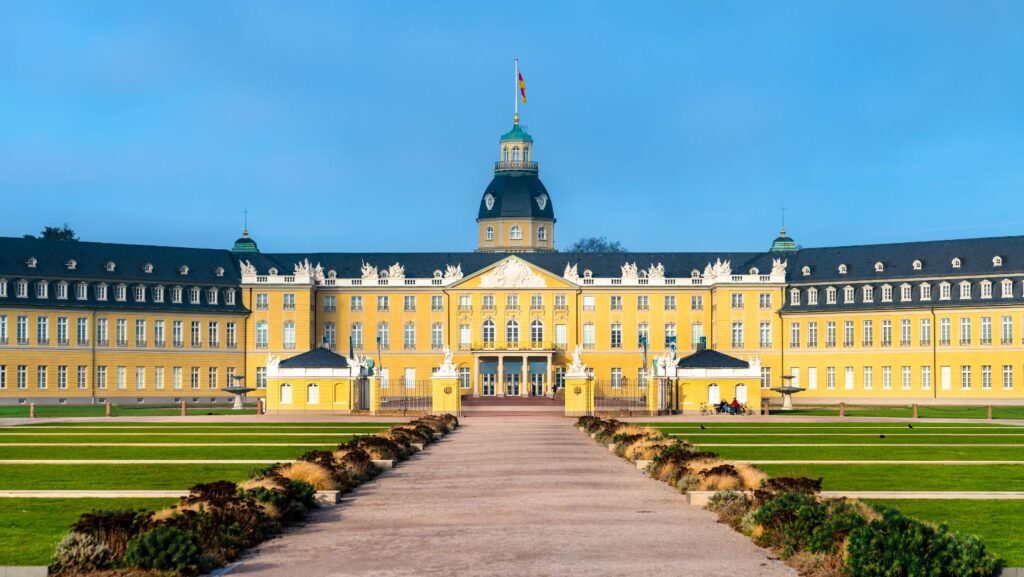
International students interested in engineering, technology, and scientific research find Karlsruhe Institute of Technology (KIT) especially appealing. Engineering, computer science, natural sciences, economics, environmental studies, and related interdisciplinary fields are all included in its academic offerings. KIT gives students the chance to interact with current scientific and technological issues by fusing major research projects with university-level instruction.
The university is accessible to students from outside Germany because a number of its master’s programs, including those in its engineering departments, are taught exclusively in English. Lectures, seminars, lab courses, and fieldwork are all part of its practice-oriented curriculum. KIT is a top choice for STEM students because of its research, technical education, and international study opportunities.
5. Heidelberg University:
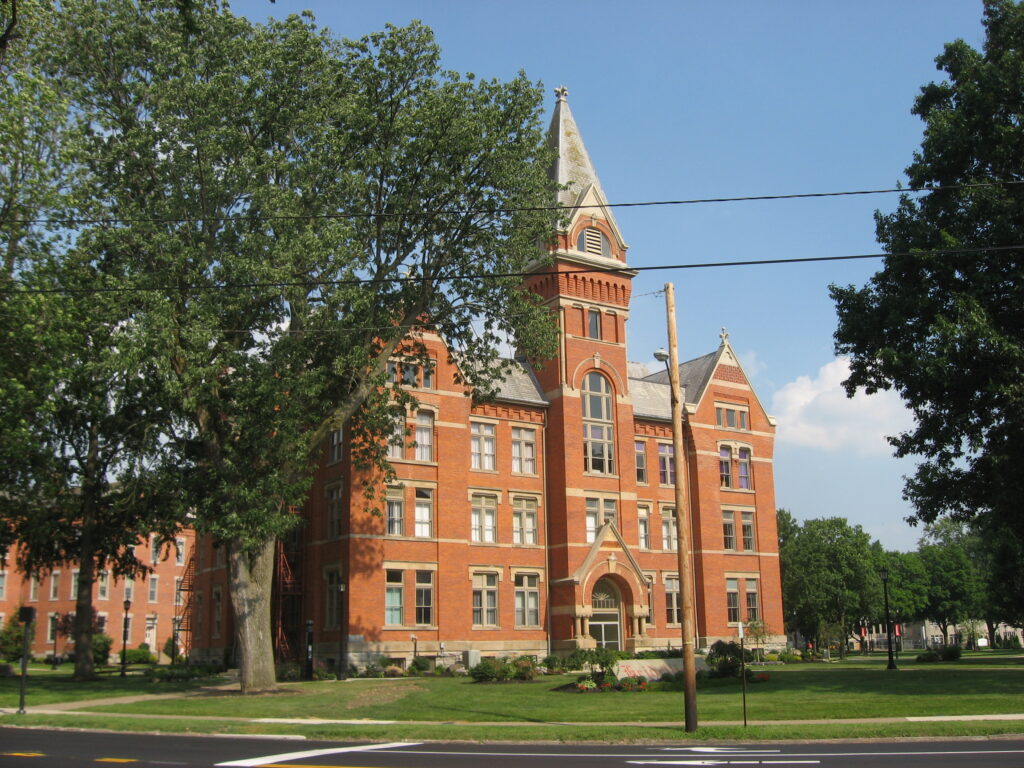
A wide range of programs in medicine, the natural sciences, the humanities, the social sciences, and other fields are available to international students at Heidelberg University. Biomedical engineering, computational linguistics, American studies, and other specialized fields are among the many degree programs offered by the university that are taught in English, especially at the master’s level. As a result, students do not have to finish their entire education in German in order to pursue advanced study.
Another significant draw for students interested in scientific and multidisciplinary study is Heidelberg’s strong emphasis on research. It is a compelling option for students looking for top international schools in Germany with both academic breadth and specialized postgraduate opportunities because of its extensive academic history, international partnerships, and research environment.
6. LMU Munich:
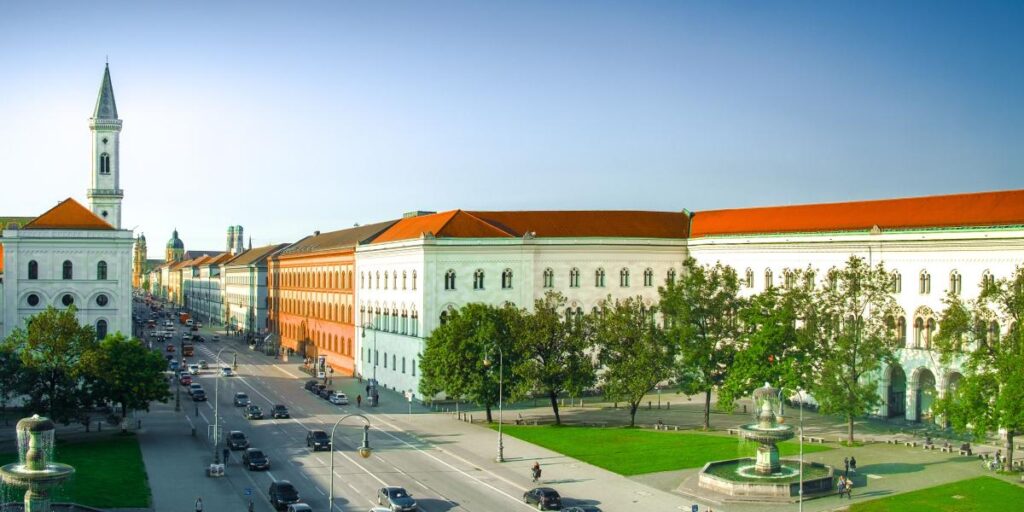
International students can pursue a variety of academic opportunities in the humanities, sciences, medicine, economics, law, and social sciences at Ludwig-Maximilians-Universität für (LMU Munich). International students are especially drawn to its postgraduate English-taught programs, which cover topics like astrophysics, biochemistry, economics, English studies, and digital cultural heritage.
Programs in international economic law, medicine, politics, culture, and geosciences will be added to LMU’s English-taught master’s portfolio starting in the winter semester of 2026–2027. The university is a great choice for students looking for globally relevant degrees in Germany because it blends research-intensive education with international partnerships and interdisciplinary opportunities.
7. University of Tübingen:
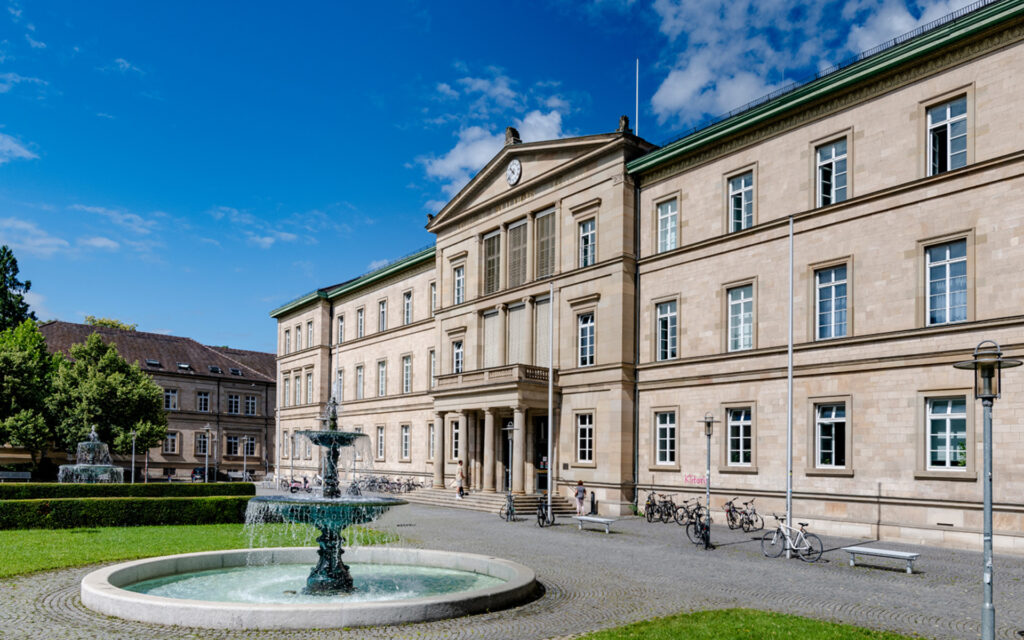
Students interested in science, technology, economics, medicine, and the humanities will find the University of Tübingen to be an excellent international study destination. Master’s degrees in machine learning, physics, biochemistry, bioinformatics, medical informatics, advanced quantum physics, and neuroscience are among the programs it offers that can be studied fully in English.
Additionally, it provides international business and economics programs, such as International Business and International Economics. Beyond English-taught courses, Tübingen’s global approach includes joint and double-degree programs with foreign universities. Tübingen is an excellent option for international students due to its specialized programs, international collaboration, and research-focused education.
8. University of Bonn:
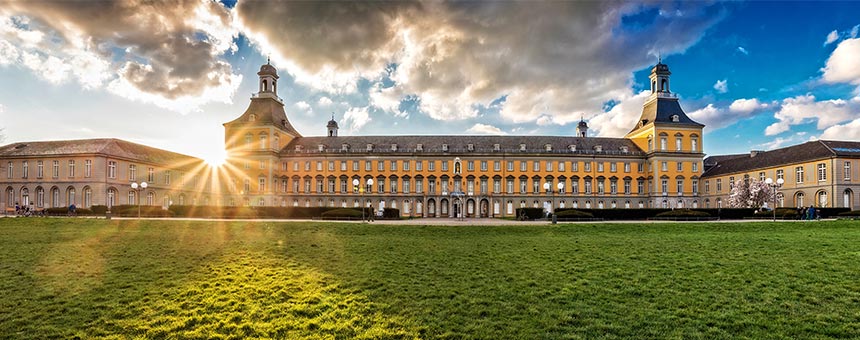
The University of Bonn offers a wide range of academic programs in the humanities, sciences, economics, mathematics, medicine, and other fields of study to international students. It provides degree programs with an international focus, including master’s options taught in English in subjects like Strategy and International Security, North American Studies, Dependency and Slavery Studies, and Slavery Studies.
Additionally, the university offers German-language classes and specialized information on housing, financing, and studying in Germany to assist international students. Bonn is one of Germany’s top international universities because it is a research-intensive institution with a diverse international community that gives students the chance to engage with global academic perspectives and develop specialized knowledge.
9. Charité – Universitätsmedizin Berlin:

International students studying public health, biomedical sciences, and medicine are especially well-suited to Charité-Universitättsmedizin Berlin. It provides specialized programs related to clinical medicine and medical research as a large university medical institution. Postgraduate programs taught in English are available to international students in fields like molecular medicine, medical neurosciences, and international health.
For instance, Charité’s International Health program requires evidence of English proficiency, but its Molecular Medicine master’s program is taught exclusively in English. Students gain from a setting that is directly related to clinical practice and medical research. Nonetheless, German is still necessary in many clinical contexts and daily life, so learning the language is beneficial.
10. University of Mannheim:
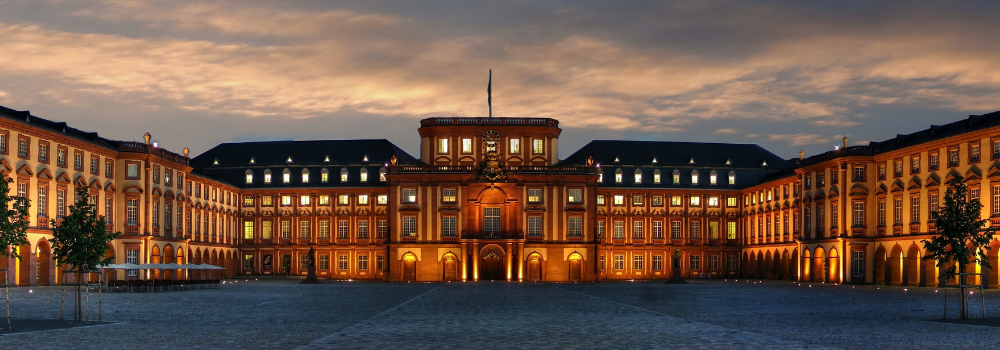
International students interested in business, economics, social sciences, and related fields are particularly well-suited to the University of Mannheim. English-taught and bilingual programs, double-degree opportunities, and collaborations with universities across the globe are all part of its globally focused approach. Business administration, economics, finance, management, marketing, and social sciences are among the subjects that students can study; interdisciplinary programs integrate business with subjects like American Studies and English.
Additionally, the university promotes international experience; approximately one-third of its students study abroad for a semester. Mannheim is a desirable option for students looking for business and economics education with a global perspective because of its robust international networks and career-focused academic structure.
Conclusion
The best international schools in Germany are situated at the connection of three focuses: a strong and affordable public system, English-speaking international education, and the demand for multilingualism in the European labor market. They provide a challenging academic setting, a genuinely international community, and a direct connection to both German universities and the most prominent campuses overseas.
Finding top international schools in Germany in the strictest sense is not the only challenge for families/persons who are prepared to make this investment; you also need to find the school whose profile most closely aligns with the educational, cultural, and professional goals you have.
FAQs
How much does it cost to study at international schools in Germany?
As students usually pay semester contributions, the majority of international schools in Germany do not charge tuition for many programs. Although the city and way of life have an impact on living costs.
Do international students need a visa to study in Germany?
A German student visa or residency permit is typically required for international students. University admission, proof of funds, health insurance, and legitimate identification are usually prerequisites.
Can international students work while studying in Germany?
Yes. International students may work part-time while pursuing their studies, subject to the applicable work regulations in Germany. Many students take advantage of these opportunities to gain experience and help pay for their living expenses.
What are the admission requirements for international schools in Germany?
Academic qualifications, language proficiency, entrance examinations, motivation letters, transcripts, and proof of relevant qualifications or experience are all possible requirements, depending on the international schools in germany and program.
When should international students apply to German universities?
Application deadlines vary depending on the international schools in Germany and the program. International students, on the other hand, should start planning several months in advance to allow enough time for document preparation, admission, visa processing, and accommodation.