









The move to higher education is a major milestone, but the financial strain frequently goes beyond tuition. In today’s academic scene, a computer/laptop is an essential tool for success, yet many students cannot afford one. Acquiring a free laptop for college students from government programs is fortunately available thanks to a variety of federal and state efforts. These projects are intended to bridge the digital gap by guaranteeing that every student, regardless of their financial standing, has the hardware required to attend virtual classes, carry out research, and complete assignments on time.
While the federal government does not normally deliver gadgets directly to individuals, it does offer financing to make a finding a free laptop for college students from government sources accessible. Much of this assistance is routed through the Department of Education and disbursed by college financial aid departments. Students can get the technology they need by understanding how to use existing frameworks like the Pell Grant or emergency technology grants. This indirect process allows local institutions to assess demand and deliver a free laptop for college students from government funding to those who are eligible.
Aside from direct school aid, countless state-level vocational and non-profit partnerships obtain government funding to refurbish and distribute computers. These projects understand that providing a free laptop for college students from government funding is an investment in the nation’s workforce. Students can take advantage of these valuable tools by being proactive and researching the specific eligibility standards for their state. The article will show you exactly how to use these tools to ensure that your education is never delayed by a lack of relevant technology.
Table of Contents
What to Know About Government Technology Assistance Program?
When looking for a free laptop for college students from government sources, the first thing to remember is that the process is rarely as straightforward as filling out one federal form and receiving a box in the mail. Instead, the government works through a decentralized network of schools, governmental agencies, and non-profit partners. This process guarantees that the laptop gets to students who have a true academic and financial need.
To navigate these programs effectively, you must understand that the “free” component is frequently sponsored by taxpayer funds designated for specific educational grants. For example, if a university obtains federal emergency funds, it may utilize a portion of that funding to buy a large number of Chromebooks or tablets. As such, your journey to a free laptop for college students from government assistance usually begins at your institution’s financial aid office rather than a federal website.
Key points to keep in mind:
- Ownership vs. Monitoring: Some schemes give you complete ownership of the equipment upon receipt. Others work as “long-term loans,” with the laptop being the property of the state or college until you graduate.
- Refurbished vs. New: To make the most of government funds, many programs offer high-quality refurbished business-class computers. These are frequently more durable than cheap consumer models.
- The FAFSA’s Role: Your Free Application for Federal Student Aid is the key document utilized to confirm your eligibility for a free laptop for college students from government funding. Most colleges will not disburse technology grants to you if your FAFSA has not been processed.
- Bundled Support: These initiatives frequently offer more than just devices; they can also include pre-installed productivity applications, digital literacy training, and even subsidized internet connection through organizations such as Lifeline.
Eligibility Criteria for Free Laptop For College Students from the Government
You must prove that you have a specific financial or academic need in order to be eligible for a free laptop for college students from government programs. Your involvement in federal assistance programs and your financial aid status are the main factors that determine your eligibility. Due to the shortage of these resources, individuals below certain income levels are given priority.
The FAFSA is the most popular method of demonstrating your eligibility for a free laptop for college students from government assistance. Schools can determine whether you have the additional funds to buy a good computer by looking at your Student Aid Index (SAI).
1. Pell Grant Status:
Receiving a Pell Grant is the best way to be considered for a free laptop for college students from government grants at the majority of public universities.
2. Public Assistance:
You are immediately eligible for numerous government-sponsored nonprofit incentives if you are enrolled in SNAP, Medicaid, or SSI.
3. Income Thresholds:
To be eligible for a free laptop for college students from government surplus programs, your household income must typically be at or below 200% of the Federal Poverty Guidelines.
4. Verification of Enrollment:
You are required to be a student pursuing a degree. Although full-time students are given priority, many community college part-timers are also eligible.
5. State Programs:
You can qualify for a free laptop for college students from government vocational rehabilitation funds if you are a veteran or a student with a disability.
How to Apply for a Free Laptop for College Students from Government
It takes dedication and planning to get a free laptop for college students from government funding. You have to follow a certain order to make sure you don’t lose out on available inventory because these devices are spread out through multiple channels.
Step-by-Step Application Guidelines:
A. Filling out your FAFSA is the most important step. Without a completed Free Application for Federal Student Aid on file, your school cannot provide a free laptop for college students from government-backed subsidies.
B. Visit the Financial Aid Office in person or send a formal email. Request clearly about “HEERF Funding” or “Emergency Technology Grants” availability.
C. Request a COA Adjustment: Ask for an increase in your Cost of Attendance (COA) if there are no direct grants available. This enables you to directly buy a laptop with your federal student loan or grant refund.
D. Check out the campus IT department. A lot of colleges run their own “Laptop Loaner” initiatives. For the course of your degree, they may offer a free laptop for college students from government excess.
E. Submit an application to State Vocational Rehabilitation: If you have a proven impairment, contact your state’s Vocational Rehabilitation office to include a laptop in your educational plan.
Top Universities Collaborating with Government Programs
Several colleges have a strong reputation for using government funds to deliver technology to their students. These universities collaborate closely with state and federal authorities to ensure that a free laptop for college students from government funds reaches those in need. Some of these schools are;
- California State University System: Known for its “CSU Connectivity” campaign, which provided thousands of laptops to Pell-eligible students.
- Ohio State University’s “Digital Flagship” program has traditionally used institutional and federal funding to distribute iPads and computers.
- Alabama State University frequently provides technology packages to incoming freshman through federal funding programs.
- The University of Maryland Global Campus provides a variety of digital services primarily for military and students with low incomes in search of a free laptop for college students from government-subsidized paths.
Tips for Success When Applying for a Free Laptop for College Students from Government
1. File Your FAFSA Early:
Your financial assistance record is roughly the only factor that determines your eligibility for a free laptop for college students from government funding. If you submit your request on the first day the window opens, you will be at the front of the line for technological grants.
2. Request a Budget Improvement:
If a computer isn’t covered by your initial aid package, ask your financial aid counselor for a “Cost of Attendance Adjustment,” which can formally reclassify a laptop as a required educational expense and allow more free laptops for college students from government funding.
3. Keep a Record of Everything:
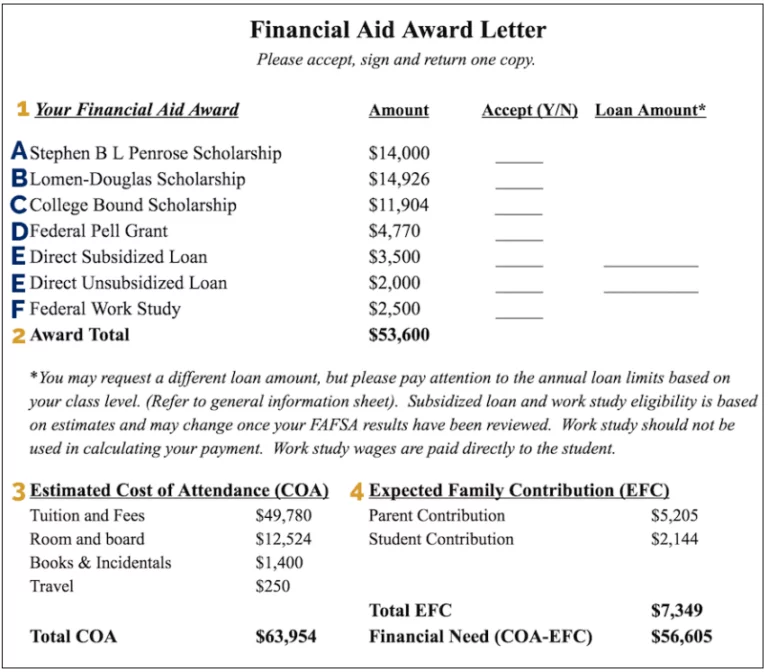
Maintain digital copies of your Pell Grant award letter, SNAP benefit statements, or SSI disability paperwork at all times. These are the primary forms of evidence needed to confirm your eligibility for a free laptop for college students from government distribution via nonprofit partners.
4. Visit the Library First:
You can check out a free laptop for college students from government excess stock for a complete semester or even your entire four-year degree program through “long-term loaner” programs run by several school libraries.
5. Track Certain State Grants:
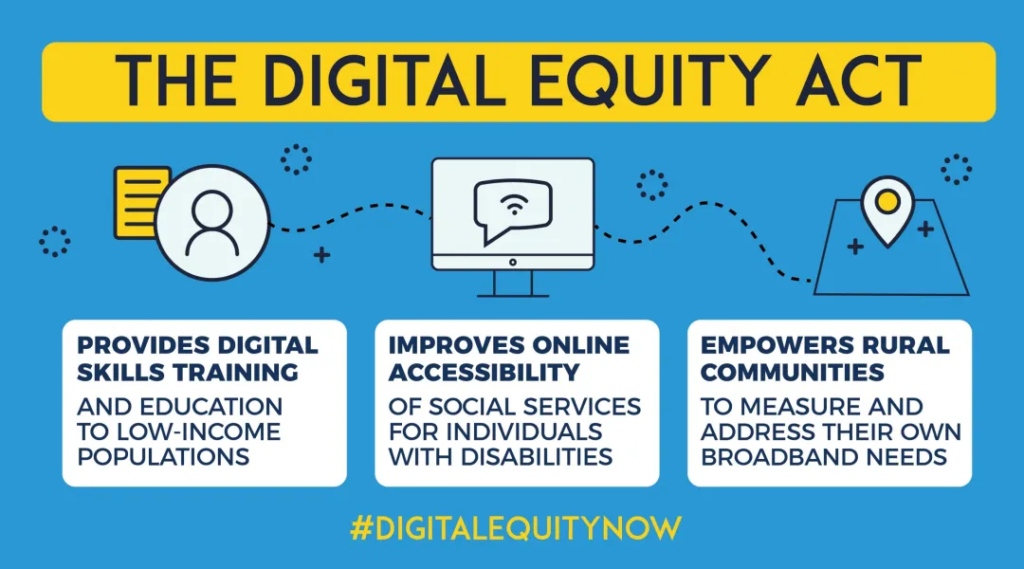
In addition to federal assistance, many states offer “Digital Equity” grants, which offer a free laptop for college students from government funding to people who attend in-state community colleges or technical institutions.
Scams and Predatory Offers to Avoid

Many bogus websites have formed as a result of the enormous demand for a free laptop for college students from government initiatives. These websites frequently deceive students into divulging private information by using official-looking logos or “government-approved” badges. Just as crucial as safeguarding your electronics is protecting your identity.
- Never Pay for “Shipping” or“Processing“: A genuine free laptop for college students from government grant or organization will never need your credit card information or a “refundable deposit” in order to send you the device.
- Verify the URL Suffix: Official university programs will always finish in.edu, and official government programs will always endin.gov. Websites ending in.com or.org that advertise free laptop for college students from government should be avoided.
- Avoid Social Media “Giveaways“: The majority of popular postings on Facebook or TikTok that offer a free laptop for college students in exchange for comments and shares are engagement scams that utilize user data.
- Safeguard Your Social Security Number: You should only be entering your SSN on the official FAFSA.gov page. In order to provide a free laptop for college students from government resources, no third-party “laptop application” should ever ask for your entire Social Security number.
Key Resources for Technology Aid
- Federal Student Aid (FAFSA): This is the main website where you can set up your financial need through the Pell Grant system to find out if you qualify for a free laptop for college students from government funds.
- PCs for People: A national charity organization that collaborates with federal organizations to repair excess technology and provides college students who fall below the 200% poverty line with a free laptop through government-supported recycling programs.
- Benefits.gov: Look for a state-specific vocational or emergency programs that offer a free laptop for college students from government vocational rehabilitation funds by using the official “Benefit Finder” tool.
- Compudopt: This is a major supplier of free laptops for college students from government community technology initiatives. Compudopt organizes computer giveaway events exclusively for low-income homes.
- Lifeline Support Center: Although primarily focused on internet access, being eligible for Lifeline demonstrates your eligibility for a number of hardware discounts, including a free laptop for college students from government partner suppliers.
- Computers with Causes: A donation-based program that selects candidates to give away a free laptop for college students from government-designated low-income groups and children in foster care.
- EveryoneOn: This website assists students in locating community deals for affordable equipment and internet that are funded by a free laptop for college students from the government digital equity initiative.
- State Vocational Rehabilitation Agencies: To find out if you are eligible for a laptop as part of a Customized Plan for Employment—a popular method of receiving a free laptop for college students from government disability funding—get in touch with your local state agency.
FAQ’s
Is there a direct webpage where college students can get a free laptop from government?
No one “order form” can be found on a federal website. Rather, you have to apply through a government-funded nonprofit like PCs for People or the Financial Aid Office at your college. These organizations oversee the provision of free laptop for college students from government.
Can I purchase a computer with my Pell Grant?
Certainly. Any funds that are left over after tuition is covered by the grant is given to the student as a “refund.” Legally, you can utilize this money to obtain a free laptop for college students from government financial support allocations.
Does the laptop’s cost need to be reimbursed?
You are not required to repay the equipment if it was given to you through a grant or a charitable giveaway. But if you get a free laptop for college students from government sources through a “loaner program” at your library, you have to give it back when you graduate.
Are these laptops strong enough for graphic design or engineering?
The majority of regular programs offer dependable “business-class” computers. Ask your financial aid counselor for a Cost of Attendance (COA) adjustment to particularly cover a more advanced, free laptop for college students from government-approved financing if your major calls for high-end specifications.
Conclusion
It takes a combination of research, perseverance, and proactive communication to obtain a free laptop for college students from government programs. The billions of dollars channeled through Pell Grants, HEERF grants, and Vocational Rehabilitation guarantee that no student is left behind because of a lack of technology, even though the government does not directly distribute devices to every person.
You are able to find a free laptop for college students from government resources that will last you all the way to graduation by starting with your FAFSA and contacting campus advisors. Don’t allow a lack of hardware prevent you from earning your degree; begin the application process right no