









The educational sector is hardly an exception in a time when technology affects every part of our lives. For schools, NGOs, and educational institutions looking to improve learning experiences through cutting-edge tools and resources, educational technology grants like the grants for laptops for college students have emerged as a crucial resource.
The purpose of these grants for laptops for college students is to facilitate the use of technology in the classroom, allowing teachers to develop more dynamic, interactive, and individualized learning environments. Organizations and individuals can obtain state-of-the-art resources that enhance learning outcomes and equip students for a technologically advanced society by utilizing these funds.
Beyond just providing funds, these grants for laptops for college students show a dedication to creating an environment that is welcoming and equal to all students. These funds give underfunded students, schools, and communities vital help as educational institutions work to close the digital divide.
Table of Contents
What is the ‘Grants for Laptops for College Students’ about?
The most widespread misconception on the internet is that there is a single, enormous national “free laptop grant” that is available to everyone. However, college students can definitely receive assistance with the cost of a laptop. That is not how the system operates for the majority of kids. The actual routes include more general financial help, laptop grants tailored to the school, emergency funds, cost-of-attendance adjustments, support for people with disabilities, and a few special-population initiatives.
Many of these strategies are made possible by federal assistance regulations that specifically permit institutions to include a fair allowance for a personal computer in a student’s cost of attendance. As there are a lot of false pages online if you search for “government laptop grants” online, it is advisable to be aware that there isn’t typically a stand-alone federal grant known as a laptop grant. Rather, through the broader framework of financial aid, the federal system assists students in paying for technology.
Depending on the school and the student’s eligibility, Pell Grants, FSEOG, work-study earnings, outside scholarships, institutional grants, emergency assistance, or loans may be used by students to pay for computer expenditures that are included in the cost of attendance. This distinction is important because it affects how students are expected to respond.
Filing the FAFSA, requesting a computer budget adjustment from the financial aid office, verifying the campus emergency fund, and recording the precise cost of the computer with receipts or estimations are all far more crucial actions that a student may overlook if they waste time looking for a mysterious “federal laptop grant‘.
Populations With Stronger Options To Get Grants for Laptops
1. Students with special needs:
Students with disabilities should contact their state’s vocational rehabilitation agency as well as the university disability office. A state agency database is kept up to date by the Department of Education’s Rehabilitation Services Administration, and the federal framework for vocational rehabilitation is available nationally. Colleges are required by federal disability guidelines to give eligible students with disabilities equitable access as well as suitable auxiliary aids and services.
In practice, this can be quite important when the required technology is a computer with assistive technology, adapted peripherals, or accessible software rather than just a conventional laptop. For eligible students, disability-related support networks could offer more possibilities than just conventional financial help.
2. TRIO students:
Projects under Federal TRIO Student Support Services may also be important. According to the Department of Education, current SSS participants who are receiving Pell Grants may be eligible for financial assistance from SSS programs. It is another illustration of how the actual aid system operates through eligibility-based school programs rather than ostentatious online offerings, even though not every college will use this money for technology.
The Effect of Grants for Laptops for College Students on Learning
A. Improving Cooperation and Interaction:
Grants for laptops for college students and other educational technologies have a significant effect on education by empowering teachers to design more engaging and dynamic learning environments. These grants for laptops for college students enable collaborative projects where students can function together in real-time, regardless of their physical location, by giving them access to recent tools and resources. In addition to improving communication skills, this helps students get ready for a workforce that appreciates remote cooperation to a greater extent.
B. Customizing Education:
Additionally, grants for laptops for college students can accommodate a range of demands and learning methods. Teachers can tailor education to each student’s needs by using resources like multimedia or adaptive learning software. It has been demonstrated that this customized strategy increases student engagement and information retention.
C. Using Real-Time Data to Inform Instruction:
Additionally, teachers can obtain real-time data on student performance by incorporating technology into evaluations, enabling prompt interventions when needed. This makes it possible for teachers to pinpoint areas in which students might want additional assistance, resulting in a more focused and efficient method of instruction.
In the end, integrating technology into the classroom creates a setting where every student can succeed.
How Are The Grants for Laptops for College Students Acquired?

1. FAFSA-based financial assistance:
The front door is the FAFSA. In addition to being utilized by numerous states and universities, it is how students apply for government grants, work-study, and loans. If the FAFSA form is not filed, access to the very aid environment that might help in getting grants for laptops for college students will be lost.
The Pell Grant is the largest federal grant. The maximum Pell Grant for the 2026–2027 award year is $7,395. If a student attends an additional term in the same award year, they may be eligible to receive up to 150% of their annual Pell amount through year-round Pell. Income is not the only criterion that determines Pell eligibility; family size, tax status, and other FAFSA criteria all play a role.
The key laptop connection is that a Pell Grant does not come with a “tuition only” sticker. Financial aid is applied to the student account first, and unless the student gives permission for the school to keep it, schools are usually required to pay any remaining Title IV credit balance to the student within 14 days of the billed costs being paid. Students frequently use the reimbursement to cover the cost of technology, books, and supplies.
2. Grant for Federal Supplemental Educational Opportunity (FSEOG):
As it is not marketed as a technological aid, the FSEOG is one of the most disregarded grants for laptops for college student’s assistance programs. Undergraduates with significant financial need are eligible for this campus-based government grant. According to official government guidelines, payments can vary from $100 to$4,000, and institutions are required to prioritize students with the lowest SAIs who are also qualified for Pell Grants. Early FAFSA filing is important because the cash is limited.
That is very important for an undergraduate student with high needs. An FSEOG award can ease the burden on the remainder of the budget and make it much simpler to pay for a computer through refund money or other indirect-cost support, even if the school never refers to it as a “laptop grant.”
3. Federal Work-Study:
Federal Work-Study is one of the most acceptable ways for students to pay for a laptop without incurring as much debt, but it is not a grant. According to Federal Student Aid, students must complete the FAFSA to be eligible. Employment opportunities are scarce, annual funding is not assured, and daily costs are often covered by a regular wage.
Therefore, work-study may be the difference between purchasing basic equipment entirely, making a school bookstore payment plan work, or paying for repairs later in the year. However, it is not quick laptop money. This is frequently the most practical fallback option for students who are not given direct grants for laptops for college students.
4. Cost-of-attendance (COA) computer adjustments:
According to federal regulations, schools are permitted to include a fair allowance in the cost of attendance for the upfront purchase or rental of a personal computer, including a computer bought before the enrollment term, if it is used for academic purposes.
Students must accurately comprehend the impact of a COA increase. At some schools, it might fund grants for laptops for college students, but it does not always provide free money. In other schools, it primarily raises a student’s eligibility for help, which could result in more loan eligibility rather than more grant eligibility.
That is why students should question the aid office, “If my computer expense is added to my COA, will this result in grant aid, allow me to use excess scholarship funds, or only increase loan eligibility?” This will help you make the best choice when filing.
What should high school seniors do step by step?
Step 1: Complete the FAFSA immediately. Even students who are unsure whether they will qualify for Pell should apply because the FAFSA provides access to Pell, FSEOG, work-study, loans, and a variety of state and institutional programs that can give access to grants for laptops for college students.
Step 2: Once admitted, email the financial aid office to inquire about the school’s computer funding, technology grant, budget adjustment, emergency assistance, or basic needs fund. These specific labels are important since many campuses offer laptop assistance buried beneath non-obvious titles.
Step 3: Determine if you should purchase first and then submit a receipt or request approval first. Campus policies vary. Princeton, UIC, Yale, and Johns Hopkins all demonstrate how schools frequently request receipts, budget forms, and reimbursement routines.
Step 4: Ask the most essential money question: “If my laptop cost is added to the cost of attendance, will I get grant aid, scholarship flexibility, refund eligibility, or only increased loan eligibility?” The answer differs by campus.
Step 5: If you are in a special population, contact the following offices: disability services, vocational rehabilitation centers, TRIO, veteran services, or the basic-needs office. Students may qualify for grants for laptops for college students or more assistance than they think since support is distributed across offices.
Writing a Successful Grant Proposal: A Few Tips
Writing a good grant proposal takes meticulous planning and attention to detail. One of the most important strategies is to precisely describe the project’s goals and objectives. Grantors prefer to see that candidates have a carefully developed strategy that addresses specific needs in their local area or institution.
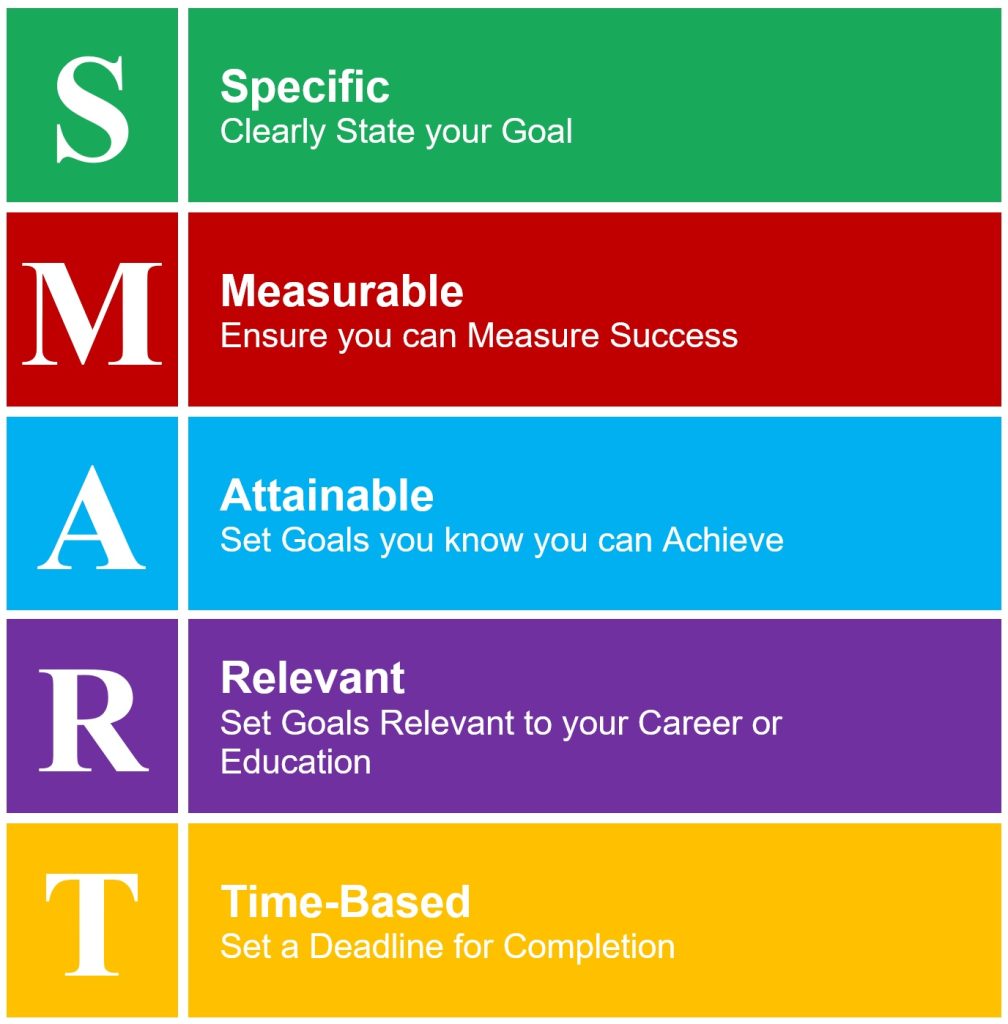
Using the SMART criteria (Specific, Measurable, Achievable, Relevant, Time-bound) will assist ensure that objectives are properly stated. Another important consideration is storytelling; captivating narratives can help bids stand out in a crowded field. Sharing personal experiences or testimonials from students or educators helps demonstrate the potential impact of the proposed activity.
Incorporating data or research that supports the project’s necessity can also help to bolster the chances of getting grants for laptops for college students. Finally, it is essential to precisely follow formatting standards and submission dates; attention to detail demonstrates professionalism and respect for the grantor’s process.
Resources for Finding Grants for Laptops for College Students
Finding grants for laptops for college students can be difficult if you lack the necessary resources. Several online platforms collect grant possibilities designed exclusively for educators and charity organizations. Grants.gov and other websites provide access to federal funding options, whereas private foundations frequently post available grants on their platforms or through specific grant databases such as Foundation Center or GrantWatch.
Networking within professional associations can also provide essential details about possible grants for laptops for college students. Many educational associations hold seminars or webinars on grant prospects, where attendees can learn directly from seasoned grant writers or funders about grants for laptops for college students. Furthermore, social media platforms such as LinkedIn can help you connect with other professionals in the area who may be able to provide information about impending grants or successful fundraising tactics.
FAQ’s
Is there an actual federal laptop grant available to all students?
Usually, no. The genuine federal path is expanded student aid and cost-of-attendance laws that allow schools to account for computer costs.
Can colleges provide direct laptop grants?
Yes. Some institutions advertise direct laptop or technology awards, while others provide emergency funding to cover laptop failure or technological costs.
Does a COA increase imply free money?
Not always. It can sometimes help to unleash the flexibility of grants and scholarships. Sometimes it primarily boosts loan eligibility. Students should ask their school exactly how the adjustment works.
Is the Affordable Connectivity Program currently active?
No. According to the FCC, the Affordable Connectivity Program concluded on June 1, 2024.
Conclusion
Grants for laptops for college students are a strong tool for improving learning experiences across a wide range of educational settings. Organizations and individuals can unlock major funding prospects for educational innovation by knowing eligibility criteria, efficiently navigating the application process, and harnessing available resources.
The success stories that result from supported projects demonstrate the transformative power of these grants for laptops for college students in creating future generations of learners with critical skills for success in a world that is increasingly digital.