









Embarking on a career in dentistry is a worthwhile ambition, and finding the easiest dental schools to get into is a vital step on this road. Keep in mind: “easiest” doesn’t equal easy; these programs still demand a good application, dedication, and a commitment to excellence.
Every approved DDS or DMD program in the U.S. expects challenging academics, competitive DAT scores, strong letters of recommendation, and a commitment to healthcare. However, certain schools are more accessible than others based on characteristics like admissions standards, applicant volume, mission focus, and in-state preference.
For prospective students interested in learning which institutions provide more accessible admission processes, we’ve created a list of the easiest dental schools to get into, known for their considerably higher acceptance rates. It’s important to remember that while these schools may have higher admission rates, they however maintain academic and professional standards.
Table of Contents
Understanding Dental School Admissions
Dental school admissions stay competitive across the U.S., but some universities provide slightly more accessible options. These schools generally combine reduced requirements for acceptance with good education, clinical training, and career options.
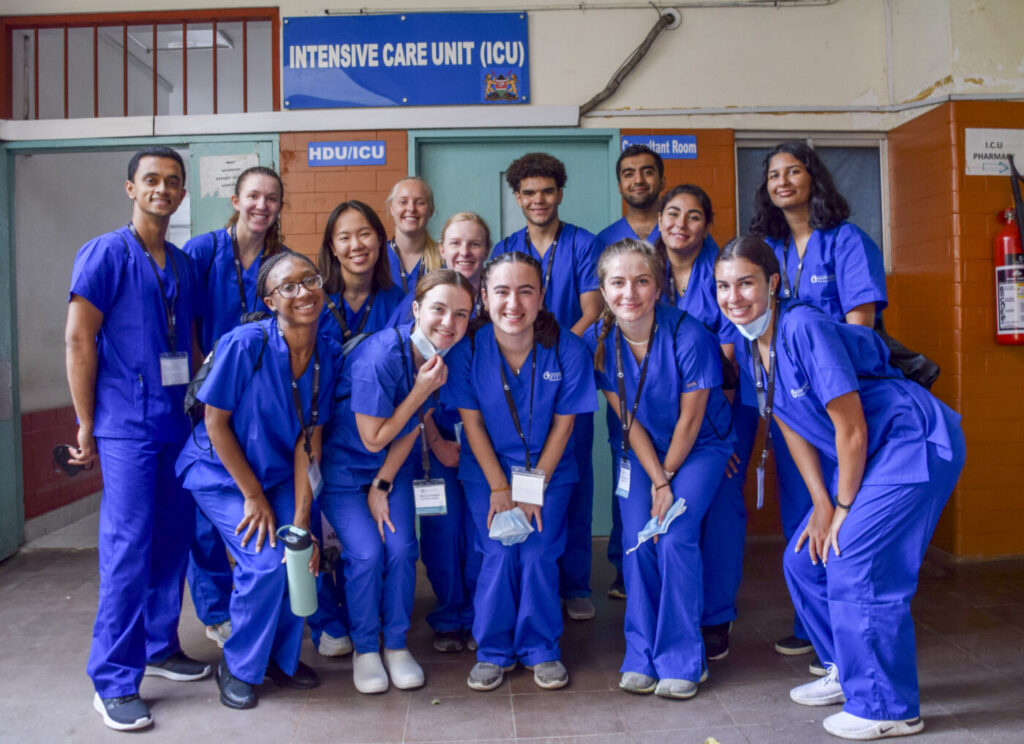
Pairing great academics with real-world experience—such as engaging in a pre-dental internship abroad—can offer you a substantial boost when applying.
What Makes a Dental School “Easy” to Get Into?
Yet again, while certain dental schools are easier to get into than others, none are actually “easy.” What truly qualifies as the easiest dental schools to get into is as follows:
1. Lower DAT and GPA Averages:
The easiest dental schools to get into offer class profiles that include the average GPA and DAT scores of admitted students. Compared to schools with 3.7+ GPAs and 21+ DATs, those with lower averages—such as a 3.3 GPA and 18–19 DAT—are statistically more accessible. However, these schools still anticipate academic rigor (particularly in science prerequisites), and a weak application will be denied regardless of the numbers.
2. Reduced Application Volume and Higher Acceptance Rates:
Since they receive fewer applications overall, some programs accept a higher percentage of applicants. These easiest dental schools to get into may be newer, lesser-known, or located in less competitive places, but they nonetheless offer full DDS training and the chance to practice dentistry upon graduation.
3. Programs with a mission or a regional focus:
One of the easiest dental schools to get into are institutions with a mission to help marginalized populations, they typically seek applicants who connect with that mission, even if their evaluations aren’t perfect. Showing genuine devotion to that community or service area might considerably increase your prospects.
4. Post-Bac or SMP Pathways:
Pipelines from post-baccalaureate or Special Master’s Programs (SMPs), which enable candidates to demonstrate their academic prowess before entering the dental program, are integrated into some of the easiest dental schools to get into. These courses are intellectually demanding and selective on the rear end, but they frequently have lower initial admittance barriers.
5. Newer Dental Schools:
Programs that were established at some of the easiest dental schools to get into in the previous ten to fifteen years are frequently still developing their infrastructure and reputation. This may result in less opportunities for research or a diminished reputation, but it may also lead to more lenient admissions requirements and a greater emphasis on practical instruction and student support.
Related: Online Schools That Give Refund Checks And Laptops
How to Make Your Application Stand Out at Easiest Dental Schools To Get Into
Even if you’ve submitted applications to the easiest dental schools to get into with lower average GPAs or DAT results, competition is still intense, and a solid application can drastically boost your chances of getting in (and receiving scholarships). Applicants who want to stand out at accessible programs can find tactical, expert-level assistance in this section.
1. Crush the personal statement:
The personal statement can have a disproportionate amount of weight at several of these easiest dental schools to get into, particularly if your DAT or GPA are on the borderline. This is your opportunity to discuss why you want to become a dentist as well as how your career path has equipped you to succeed in a clinical, high-responsibility field.
Expert Tip: Anchor your story in 2—3 high-leverage events – shadowing, patient interaction, academic achievement, or family caring. Demonstrate how you have developed the grit, emotional intelligence, and curiosity required for dental school.
2. Highlight upward academic trends, not simply the final GPA:
Admissions reviewers will extensively examine your science GPA, recent coursework, and trajectory if your total GPA is less than 3.4. It’s common to view a subpar freshman year followed by steady As in upper-division scientific classes (biochem, anatomy, and physiology) as a sign of preparation. Therefore, be sure to highlight any increasing trends you may have. Additionally, if you have completed SMP or post-bac coursework, clearly demonstrate how you proved your academic aptitude in an organized setting, like some of the easiest dental schools to get into.
3. Obtain letters from those who can relate to your identity rather than just your academic performance:
At the easiest dental schools to get into, with holistic review, recommendation letters hold great weight. A scientific professor who witnessed you lead a research group, or a dentist who watched you connect with patients, will be significantly more powerful than someone who hardly knows you. Strong letters should include concrete examples, not just abstract praise, and they should come from someone who’s actually witnessed you in an important environment.
Expert Advice: Give your recommenders a briefing. Share your resume, aspirations, and a remembrance of the most meaningful things you did together. Make it simple for them to speak up for you.
Top 10 Easiest Dental Schools To Get Into
1. University of Mississippi School of Dentistry (Oxford, MS):
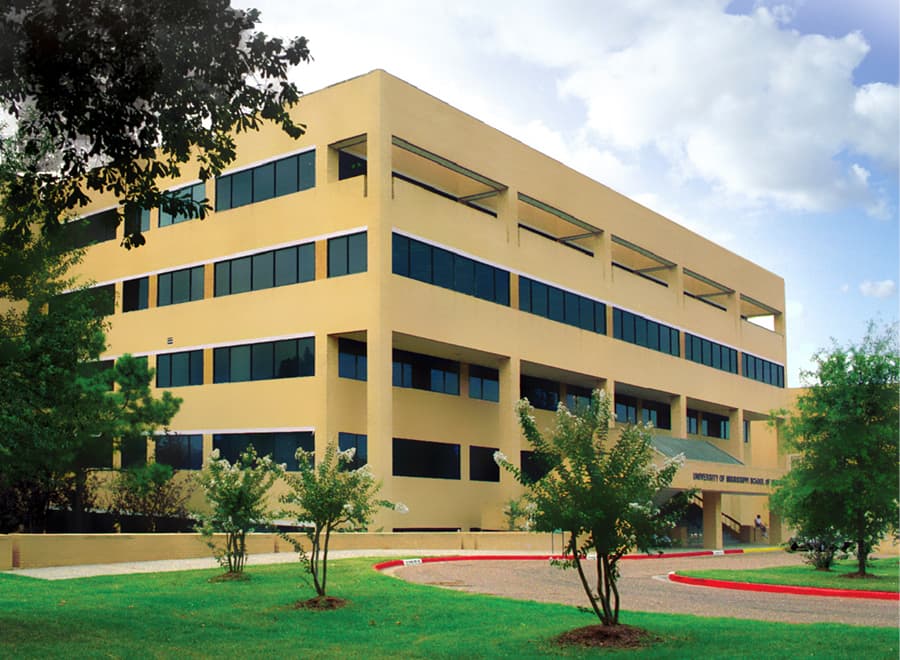
Ranking in as one of the easiest dental schools to get into, the school has the highest dental school acceptance rate among the colleges mentioned in this article. The fact that the program is the only dentistry program of any kind in Mississippi and is a part of an extensive healthcare system that contributes 2% of the state’s annual GDP is one factor contributing to the college’s high acceptance rate.
The dental program offered by UM is dedicated to offering an education to people who are from underserved communities and providing superior dental care to those who live in Mississippi. The college offers a DMD degree program and 4 specialist residencies, including a dedicated dental cancer program. Attending UM is expected to cost about $70,000 annually.
As with most dentistry programs, UM does not need candidates to have taken a specific college degree, but you must complete their list of prerequisites. UM does accept applications from out-of-state students. however, it is worth noting that in recent years, no non-resident applicants have been accepted into the school’s program.
- Acceptance Rate: 29.4%
- Average GPA: 3.73/4.0
- DAT Academic Average: 19.3
2. Eastern Carolina University School of Dental Medicine (Greenville, NC):
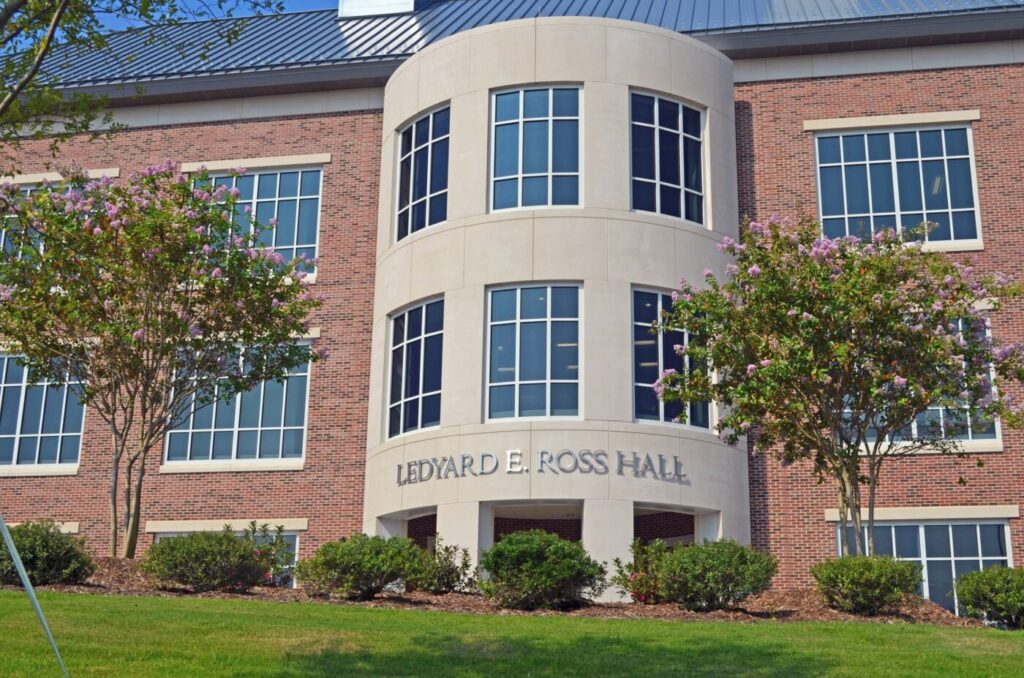
One of the more recent programs on our list is the Eastern Carolina University School of Dental Medicine, which opened its doors in 2011 to help meet North Carolina’s need for dental practitioners in rural areas.
Eastern Carolina University’s DMD can quickly be enhanced with extra years of advanced dental studies and general practice residencies. The AADSAS application system is used by ECU, as well as some of the other easiest dental schools to get into listed below. The college’s admissions committee will invite candidates who are being considered for entrance to an interview.
Although the college’s main campus is located in the seaside city of Greenville, fourth-year students participate in clinical experiences in eight different places, ranging from tiny villages to the mountains. ECU has garnered recent accolades from ADEA and Apple, making it a very attractive school of dentistry. However, according to the school’s goal, they exclusively admit North Carolina residents.
- Rate of Acceptance: 15.8%
- GPA on average: 3.5/4.0
- DAT 20.6 is the academic average.
Related: Easy Ways On How To Increase My GPA Fast
3. University of Missouri-Kansas City School of Dentistry (Kansas City, MO):
This easiest dental schools to get into offers an extended school experience in the metro area of Kansas City. The University of Missouri-Kansas City is situated inside Hospital Hill, a significant hospital system. Although UMKC considers practical experience to be an essential part of training, students start clinical practice during their first year of study. Collaborative problem-solving and team tasks are also included in the college’s curriculum.
Qualified applicants will have completed a minimum of 90 hours of undergraduate coursework, including UMKC’s prerequisite requirements. The university highly advises students to complete 100 hours of community service and at least 100 hours of clinical practice in five different settings. The college’s Reserved Admission Program is open to citizens of Kansas and Missouri.
- Acceptance Rate: 12.4%
- Average GPA: 3.78/4.0
- DAT Academic Average: 20.1
4. Ohio State University College of Dentistry (Columbus, OH):
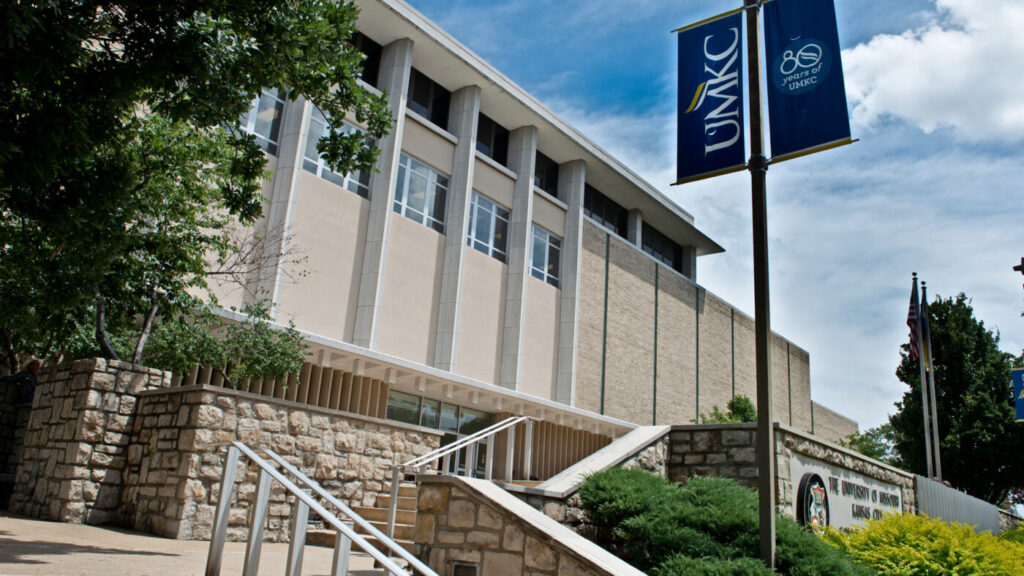
The OSU College of Dentistry is among the top four easiest dental schools to get into in the United States. It prioritizes giving dental care to underprivileged local populations and is especially dedicated to helping first-generation students from the Appalachian region.
Students can pursue a DDS degree that can be paired with a PhD or a Master of Public Health, perfect for those eager in research or public health. Applicants must use the AADSAS application service and complete a set of defined qualifications.
The curriculum requires at least 40 hours of dental experience, while successful candidates often have around 120 hours. OSU also offers a unique one-year DentPath entrance program geared at students from marginalized backgrounds, assuring successful participants admission into the DDS school.
- Acceptance Rate: 12.55%
- Average GPA: 3.65/4.0
- DAT Academic Average: 21
5. Augusta University Dental College of Georgia (Augusta, GA):
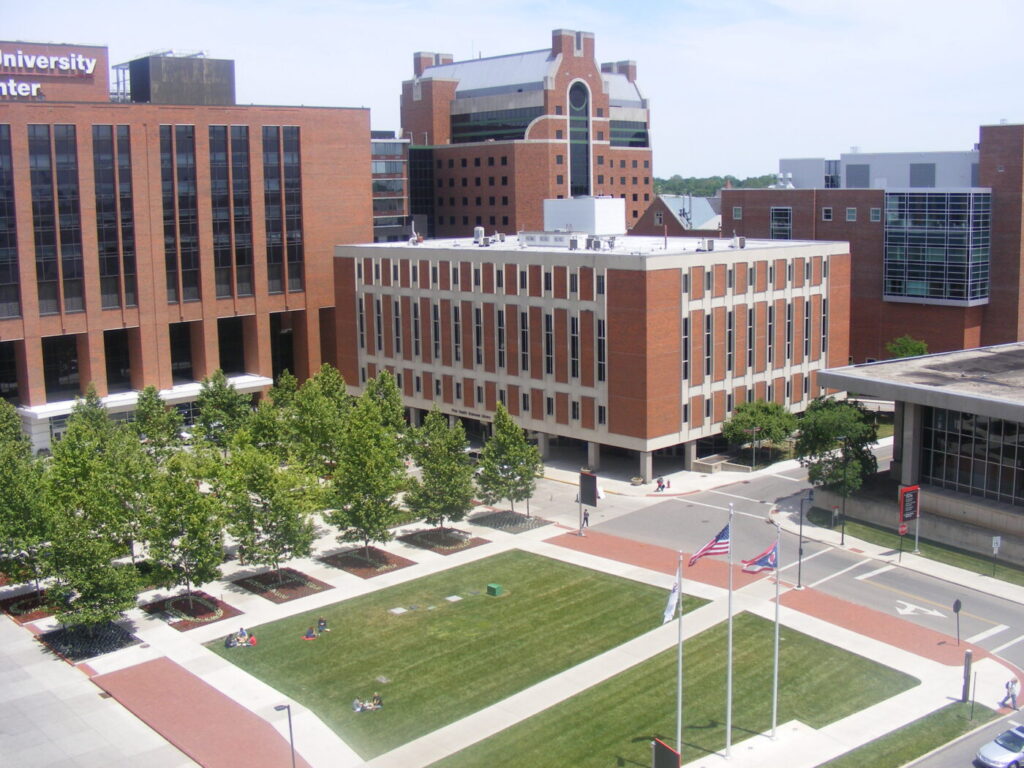
The Dental College of Georgia provides a four-year DMD degree that prepares students for licensure to practice dentistry. The university also offers dual degrees in Oral Biology, including DMD/MBA and DMD/PhD.
Georgia’s health sciences college is a public university, making it one of the easiest dental schools to get into. With 150 years of healthcare education experience, the college offers hands-on training to all students.
The college’s campus in Augusta is around two hours from Atlanta. This college uses the AADSAS preliminary application, and interviews are conducted by invitation only. Students who are admitted into the school’s program have numerous opportunities to network, as there are 15 dental student clubs on campus.
- Acceptance Rate: 11.69%
- Average GPA: 3.6/4.0
- DAT Academic Average: 20
6. University of Puerto Rico School of Dental Medicine (San Juan, PR):
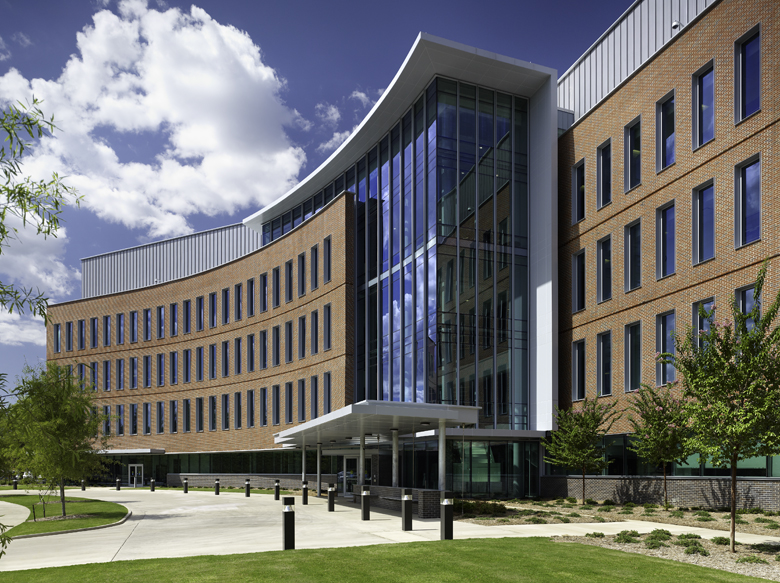
The University of Puerto Rico’s department of dentistry offers a full four-year DMD degree program. Students will learn the practical skills required to run a dental practice, as well as specific training in geriatric and pediatric dentistry, and how to diagnose orofacial anomalies and disorders.
This university requires a broad basis of coursework in the humanities and sciences, including credits in both Spanish and English. Fees and tuition for the first two years average roughly $50,000 per year, with years three and four costing somewhat less. The total expense for all four years is approximately $180,000.
The University of Puerto Rico accepts applications through the Advanced Dental Education Programs webpage. The college is Puerto Rico’s only dental school and is ADA certified, which means graduates can practice dentistry on the mainland if they choose to.
- Acceptance Rate: 10.96%
- Average GPA: 3.5/4.0
- DAT Academic Average: 17
7. Louisiana State University Health Sciences Center School of Dentistry (New Orleans, LA):
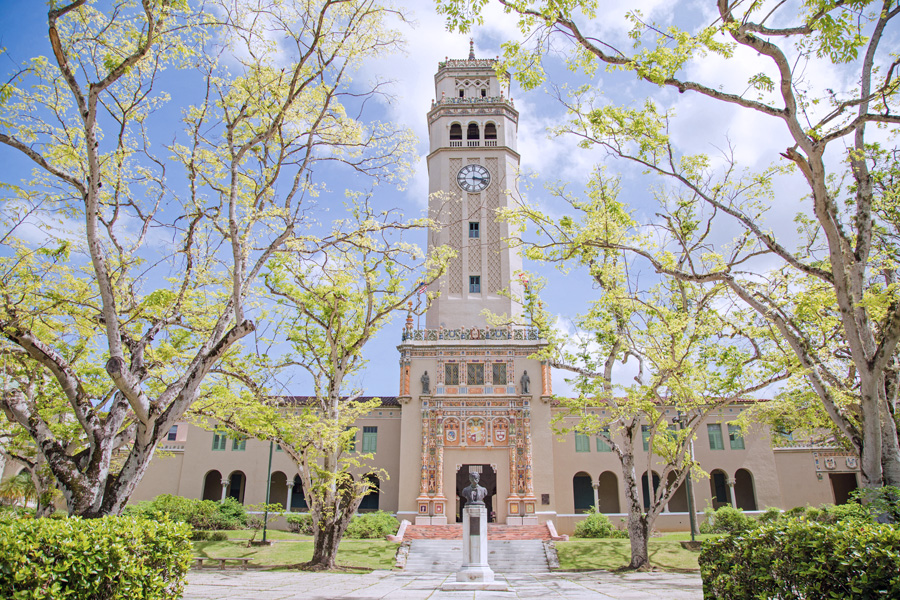
Louisiana State University provides programs in dental lab technology and dental hygiene, as well as a DDS program. Students at the college can also pursue fellowships in specific dental specialties like implants, special needs dentistry, prosthodontics, and pediatric dentistry.
LSU, located in the Baton Rouge metropolitan area, is a large state university with a vibrant campus. The cost of living here is relatively inexpensive, with non-resident students paying only $63,839 per year in fees and tuition. Residents pay $35,141 annually.
LSU has a two-step application process that begins with students submitting the required information to the Associated American Dental School Application Service. All eligible applicants will then get the documents needed to complete the next phase of the application steps.
This college’s applications are unique in that all applicants must perform a chalk carving that shows their manual skill, making it among the top and also easiest dental schools to get into.
- Acceptance Rate: 13.56%
- Average GPA: 3.64/4.0
- DAT Academic Average: 21.5
8. University of Minnesota School of Dentistry (Minneapolis, MN):
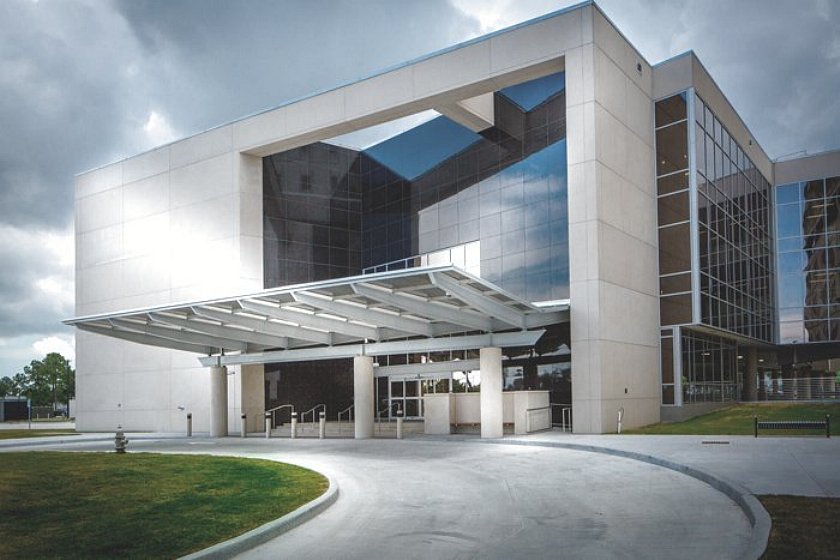
The University of Minnesota is one of the easiest dental schools to get into that educates and trains almost 75% of Minnesota’s dentistry professionals. The college provides a variety of specialist programs, including maxillofacial surgery and periodontology, as well as a Doctor of Dental Surgery degree.
This university’s clinical rotations take place in community outreach initiatives across North Dakota, South Dakota, and Minnesota. Senior dentistry students have the option of volunteering for two weeks throughout the summer to work on Indian Health Service/Tribal Outreach projects.
Minnesota provides a dentistry school prep course where students can explore career alternatives, attend lectures, and use dental simulation technologies. Students who require more assistance choosing whether dentistry school is the correct path can get professional advice from International Medical Aid’s excellent medical school admissions consultation service.
If you want to attend the University of Minnesota School of Dentistry, you must have earned at least 87 undergraduate semester credits. While the admissions committee claims to prioritize the quality of an applicant’s undergraduate coursework above course selection, the college nevertheless has a list of compulsory prerequisites.
- Acceptance Rate: 24.89%
- Average GPA: 3.67/4.0
- DAT Academic Average: 20.9
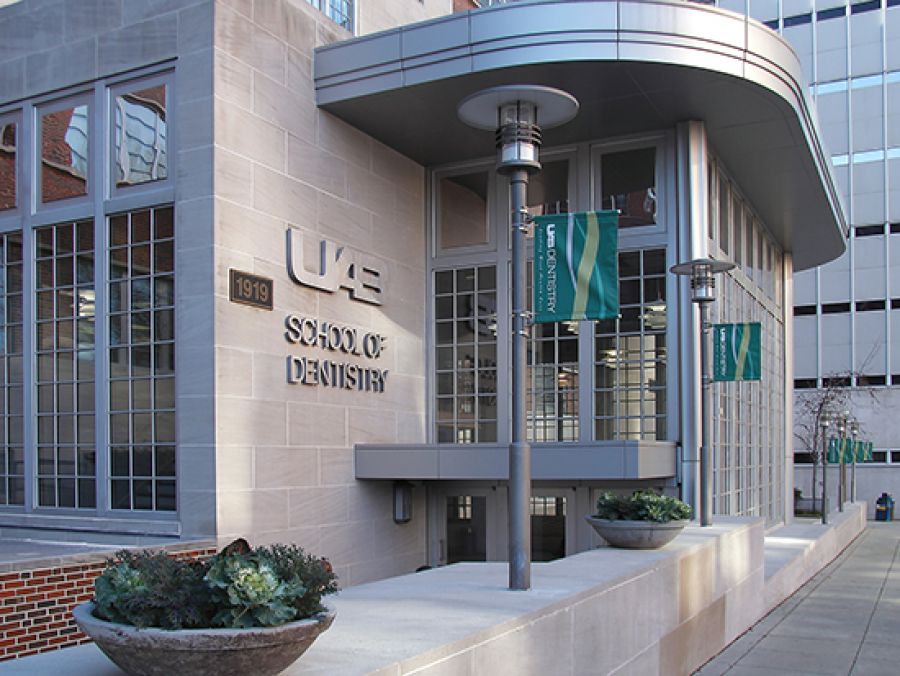
9. University of Alabama School of Dentistry (Birmingham, AL):

Established in 1948, the University of Alabama School of Dentistry is still at the forefront of dental technological advancement and innovation. This easiest dental schools to get into launched dental hygienists into dental practice in the 1960s and still offers supplemental programs on craniofacial development and oral cancer. UAB Dental hosts the National Dental Practice-Based Research Network, which gives students the opportunity to participate in practice-based dental research.
Students obtain practical experience treating diverse patient populations in a variety of settings thanks to relationships throughout Alabama. Applicants must have completed at least three years of undergraduate studies, including the minimum prerequisite courses. Dual degree programs, such as DMD/PhD or DMD/MBA, are offered for people interested in clinical research or the commercial side of dentistry.
- Acceptance Rate: 13.43%
- Average GPA: 3.75
- DAT Academic Average: 19
10. Southern Illinois University of Dental Medicine (Alton, IL):
Due to its small class sizes, Southern Illinois University School of Dental Medicine provides students with extensive faculty access. Graduates frequently achieve high early pass rates on the National Board Dental Exam. The program encourages but does not require a bachelor’s degree; however, candidates must complete certain required curriculum.
While clinical or observing experience is not required, it can benefit an application. The school’s location in Alton, Illinois, offers a low cost of living, and tuition is reasonably priced, allowing many students to graduate with little debt. Training begins in a cutting-edge simulation lab and progresses to patient care in diverse community service settings.
- Acceptance Rate: 14.22%
- Average GPA: 3.66
- DAT Academic Average: 19.9
FAQ’s
Which criteria influence the easiest dental schools to get into?
The easiest dental schools to get into usually have greater acceptance rates, lower average GPA standards (often less than 3.7), and less competitive average Dental Admission Test (DAT) scores (commonly around 19-20) than the national average.
Do out-of-state applicants get access to a list of the easiest dental schools to get into?
Locating the easiest dental schools to get into as an international applicant is difficult because public schools prefer in-state students. Schools with high overall acceptance rates, such as the University of Mississippi, prioritize residents.
Do “easy” dentistry schools offer the same quality of education as competitive ones?
Yes, every accredited dental school in the United States, including the easiest dental schools to get into, must satisfy the rigorous requirements set by the Commission on Dental Accreditation (CODA), providing an outstanding education along with valid licensure upon graduation.
With a GPA below 3.0, can I get into the easiest dental schools to get into?
Even the easiest dental schools to get into demand a minimum cumulative and science GPA of 3.0 or above for consideration, thus entrance with a GPA below 3.0 is quite unlikely.
Aside from statistics, what can assist me get into the easiest dental schools to get into?
Aside from having the requisite statistics for the easiest dental schools to get into, extensive dental experience, convincing letters of recommendation, and applying early in the admissions cycle via AADSAS can significantly improve your application.
Conclusion
While the idea of the easiest dental schools to get into is sometimes significantly influenced by an applicant’s individual region and statistics, focusing on institutions with better acceptance rates and overall reviews can be an excellent strategy.
Understanding which schools fulfill the description of the easiest dental schools to get into helps prospective students focus their efforts. Ultimately, understanding the admissions process efficiently, even for the easiest dental schools to get into, involves careful planning and early application submission.